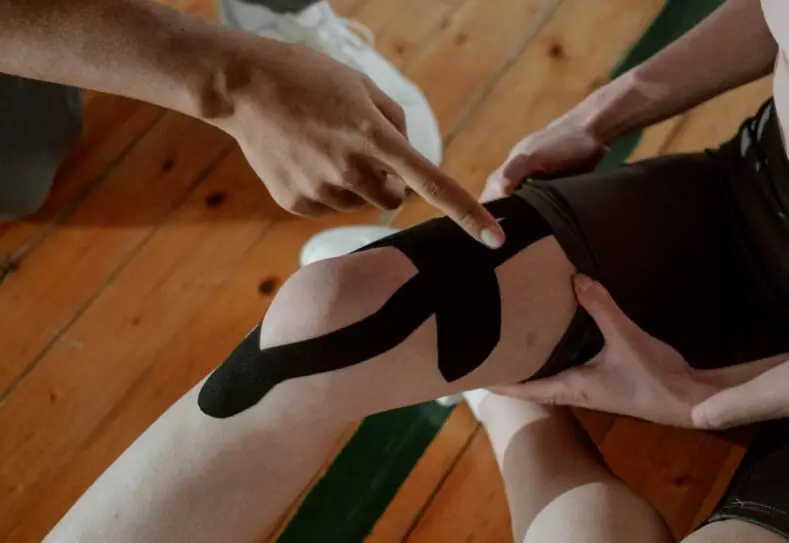
Runners often face knee pain and injuries that can sideline their training. Strength training offers a powerful way to prevent and treat runner’s knee issues. By building stronger muscles around the knee joint, runners can reduce pressure on the knee and lower their risk of injury.
Exercises like step-ups, leg lifts, and squats target key muscles that support the knee during running. These moves help stabilize the joint and improve overall leg strength. A well-rounded strength routine can make a big difference for runners dealing with knee pain or wanting to avoid future problems.
Adding just a few knee-strengthening exercises to a weekly workout plan can pay off in better running performance and fewer injuries. Even simple bodyweight moves done consistently can lead to stronger, more resilient knees over time. Runners who make strength training a priority often find they can run longer and harder with less knee discomfort.
Understanding Runner’s Knee
Runner’s knee is a common problem that affects many runners. It can cause pain and limit performance. Let’s explore the key aspects of this condition.
Anatomy of the Knee Joint
The knee joint connects the thigh bone to the shin bone. It includes the kneecap, which slides in a groove at the end of the thigh bone. Cartilage cushions the joint. Ligaments hold the bones together. Tendons attach muscles to bones.
The quadriceps muscles in the front of the thigh help straighten the knee. The hamstrings in the back of the thigh help bend it. These muscles work together to move the knee smoothly.
Common Causes of Knee Pain in Runners
Overuse is a main cause of runner’s knee. Running puts stress on the knee joint with each step. This can lead to irritation and pain over time.
Poor form while running can also cause knee pain. Weak hip muscles may change how the leg moves. This can put extra stress on the knee.
Worn-out shoes don’t absorb shock well. This can increase impact on the knees. Running on hard surfaces like concrete can also stress the knees more than softer surfaces.
Impact of Muscle Imbalances on Runner’s Knee
Muscle imbalances play a big role in runner’s knee. Weak hip muscles can cause the knee to turn inward when running. This puts extra stress on the joint.
Tight IT bands can pull the kneecap out of place. This causes pain and irritation. Weak quadriceps muscles may not support the kneecap well enough.
Strong, balanced muscles help keep the knee in proper alignment. This reduces stress on the joint. Strength training can help fix these imbalances and prevent knee pain.
Fundamentals of Strength Training for Runners
Strength training is key for runners to boost performance and prevent injuries. It builds muscle power, improves form, and enhances overall fitness.
Role of Lower Body Strength
Strong legs are crucial for runners. Lower body exercises target key muscles used in running.
Squats and lunges strengthen quads, hamstrings, and glutes. These muscles provide power and stability with each stride.
Calf raises build strength in the lower legs. This helps with push-off and reduces strain on the Achilles tendon.
Single-leg exercises like step-ups improve balance and address muscle imbalances. This can prevent injuries and boost running efficiency.
Aim for 2-3 lower body strength sessions per week. Start with bodyweight exercises and progress to added resistance as strength improves.
Incorporating Resistance Training
Resistance training helps runners build strength without excess bulk. It can include weights, bands, or bodyweight exercises.
Start with 2-3 sets of 8-12 reps for each exercise. Focus on proper form to maximize benefits and avoid injury.
Include exercises for both the upper and lower body. Strong arms and core muscles support good running posture.
Gradually increase weight or resistance as strength improves. This ensures continued progress and prevents plateaus.
Flexibility work complements strength training for runners. It helps maintain muscle length and joint range of motion.
Dynamic stretches before running warm up muscles and improve mobility. Examples include leg swings and walking lunges.
Static stretches after running or strength training help muscles recover. Hold each stretch for 15-30 seconds without bouncing.
Focus on stretching major muscle groups used in running. These include calves, hamstrings, quads, and hip flexors.
Regular stretching can reduce muscle tightness and lower injury risk. It also helps runners maintain good form during long runs.
Include a cool-down routine with gentle stretches after each workout. This aids recovery and prepares the body for the next training session.
Essential Exercises for Strengthening Knees
Runners can protect their knees and boost performance with targeted exercises. These moves focus on key muscle groups that support knee health and function.
Knee-Strengthening Exercises
Straight leg raises are great for knee strength. Lie on your back, keep one leg straight, and lift it off the ground. Hold for a few seconds, then lower. Do 10-15 reps on each side.
Wall sits build knee stability. Stand with your back against a wall. Slide down until your knees are at a 90-degree angle. Hold this position for 30 seconds. Rest and repeat 3 times.
Step-ups work the knees and legs. Find a sturdy step or bench. Step up with your right foot, then bring your left foot up. Step back down and switch legs. Do 10-15 reps per leg.
Building Strong Quads and Hamstrings
Squats are key for leg strength. Stand with feet hip-width apart. Lower your body as if sitting back into a chair. Keep your chest up and knees behind your toes. Push through your heels to stand up. Aim for 3 sets of 10-15 reps.
Lunges target both quads and hamstrings. Step forward with one leg. Lower your body until both knees are bent at 90 degrees. Push back to the starting position. Do 10-12 reps on each leg.
Hamstring curls help balance quad strength. Lie face down on a mat. Bend one knee, bringing your heel towards your buttocks. Lower and repeat. Do 12-15 reps per leg.
Targeting the Hip Flexors and Glutes
Clamshells work the hips and glutes. Lie on your side with knees bent. Keep feet together and raise your top knee, then lower. Do 15-20 reps, then switch sides.
Glute bridges strengthen the back of the legs and butt. Lie on your back with knees bent and feet flat. Lift your hips up, squeezing your glutes. Hold for a few seconds, then lower. Repeat 12-15 times.
Hip flexor stretches keep these muscles loose. Kneel on one knee with the other foot in front. Lean forward, keeping your back straight. You’ll feel a stretch in the front of your back leg. Hold for 30 seconds on each side.
Advanced Techniques and Exercises
Runners looking to strengthen their knees can benefit from more challenging moves. These exercises build on basic strength training to target knee stability and power.
Dynamic Movements and Plyometrics
Dynamic exercises help runners build explosive strength. Lateral lunges work muscles that support knee function. Start with feet hip-width apart. Step to the side with one foot, bending that knee. Push back to start. Do 10-15 reps per side.
Split squats improve balance and knee strength. Stand in a lunge position. Lower your back knee toward the ground. Push up through your front foot. Do 12-15 reps, then switch legs.
Single-leg deadlifts boost hamstring and glute strength. Stand on one leg. Hinge at the hips, lowering your torso while raising the other leg behind you. Return to standing. Aim for 10-12 reps per leg.
Utilizing Resistance Bands and Weights
Adding resistance makes knee exercises more effective. Use a resistance band for lateral band walks. Place the band around your ankles. Take small steps to the side, keeping tension on the band. Do 15-20 steps each direction.
Step-ups with knee drive build quad strength. Hold a dumbbell in each hand. Step onto a bench with one foot. Drive your other knee up toward your chest. Step back down. Do 10-12 reps per leg.
For weighted split squats, hold dumbbells at your sides. This adds challenge to the basic move. Start with light weights and increase as you get stronger.
Exercise Variations for Ongoing Progress
Changing exercises keeps your muscles guessing. Try single-leg squats on a stability ball. Stand on one leg with the other leg on the ball. Squat down, then push back up. This tests balance and knee control.
Box jumps build power. Start with a low box. Jump up onto it with both feet, then step back down. As you improve, use a higher box. Always land softly to protect your knees.
Reverse lunges with a medicine ball twist work your core too. Hold a medicine ball at chest level. Step back into a lunge. Twist your torso toward your front leg. Return to start. Do 10-12 reps per side.
Developing a Sustainable Training Plan
A well-rounded training plan balances running and strength work. It helps prevent injuries and allows for adjustments as needed. This approach keeps runners healthy and improves performance over time.
Balancing Running with Strength Training
Runners should mix strength training with their running routine. Do strength exercises 2-3 times a week. Focus on legs, core, and upper body.
Start with bodyweight moves like squats and lunges. Add weights as you get stronger. Don’t strength train on hard running days. Give muscles time to recover between workouts.
Schedule runs and strength sessions carefully. A sample week might look like:
Monday: Easy run + upper body strength
Tuesday: Speed work
Wednesday: Rest or cross-train
Thursday: Easy run + lower body strength
Friday: Rest
Saturday: Long run
Sunday: Full body strength or rest
Injury Prevention and Management
Many running injuries come from overuse. Build up running miles slowly. Increase weekly distance by no more than 10% at a time.
Rest is key. Take at least one full day off each week. Add extra rest days if you feel pain or extreme tiredness.
Proper form helps prevent injuries. Keep your head up, shoulders relaxed, and land with your feet under your body. If you get hurt, see a doctor or physical therapist.
Check your progress every 4-6 weeks. Look at your running times, strength gains, and how you feel overall. If you’re not improving, change your plan.
Try different workouts to challenge yourself. Add hill runs or tempo runs if you’ve been doing only easy miles. Increase weights or reps in strength training.
Listen to your body. Cut back if you feel worn out. Add more if you feel ready for a challenge.
Keep a log of your workouts. Note what works and what doesn’t. Use this info to fine-tune your plan over time.