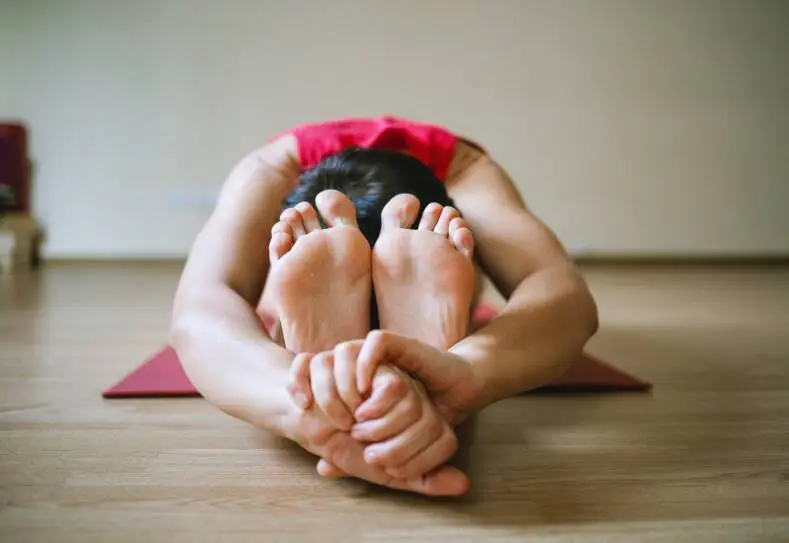
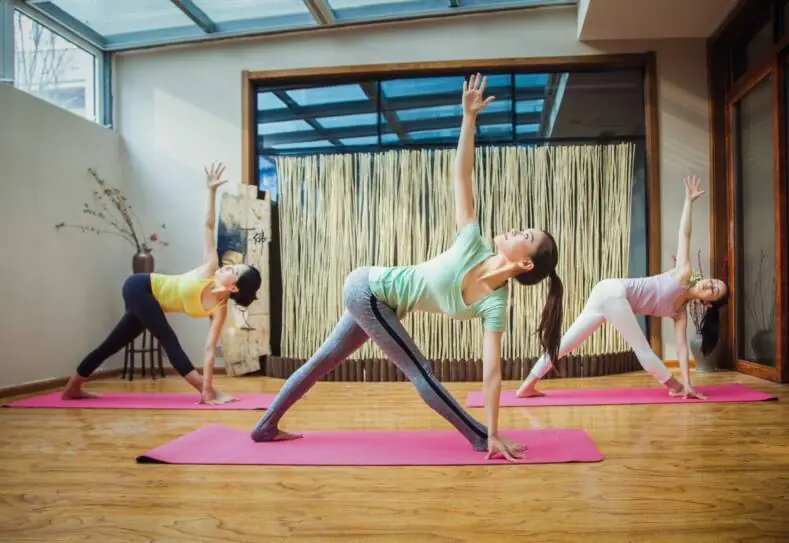
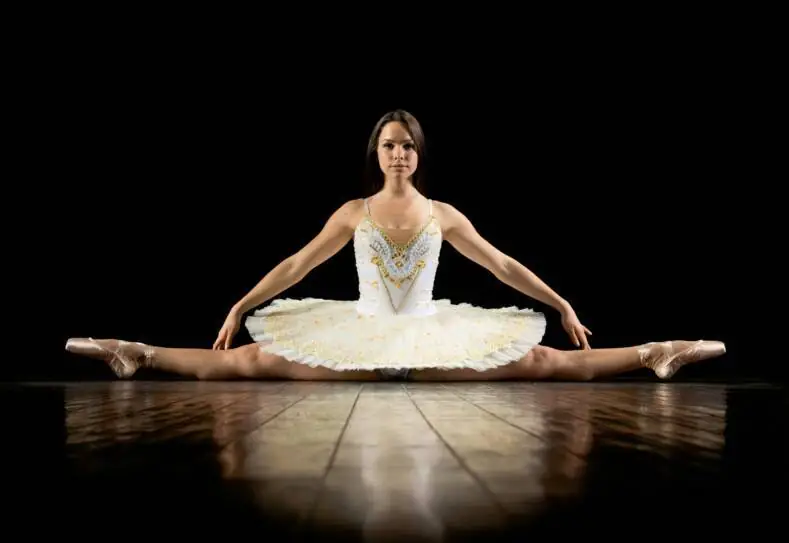
Flexibility is a critical component of overall fitness, encompassing the range of motion in the joints and the ability to move muscles through their full span. It is not restricted to athletes or those involved in rigorous physical activity; rather, it serves an essential role in daily functions and movements. Increasing flexibility can lead to improved posture, reduced muscle stiffness, and lowered risk of injuries. Home-based flexibility activities are convenient and accessible options to incorporate stretching into one’s routine, requiring minimal or no equipment.
The approach to enhancing flexibility at home can be multi-faceted, combining static and dynamic stretches along with breath work. Static stretching involves holding a stretch for a period of time, allowing muscles to gradually relax and elongate, while dynamic stretching involves moving parts of the body through a full range of motion. These exercises can include a variety of movements targeting all major muscle groups. With consistency, individuals can expect progress over time, making daily activities more comfortable and improving their overall quality of life.
Understanding Flexibility and Stretching
Flexibility pertains to the ability of a joint or series of joints to move through an unrestricted, pain-free range of motion. Stretching exercises are the primary method for improving flexibility, which can have a positive impact on overall health and reduce the risk of injury.
The Science of Flexibility
Flexibility varies greatly from person to person and is affected by the elasticity of muscles and tendons surrounding the joints. Proper form during stretching is crucial to ensure that the correct muscle groups are being targeted. Muscles have proprioceptors called muscle spindles that respond to changes in muscle length and rate of length change, protecting the muscle from being overstretched. Regular stretching can increase one’s flexibility by creating lasting changes in the connective tissue and increasing tolerance to the stretches’ tension aspects.
Benefits of Stretching
Stretching exercises offer numerous health benefits that contribute to improved physical function. Here are some of them:
Increased Range of Motion: Regular stretching can help increase the range of motion in the joints, which can enhance athletic performance and the ability to perform daily tasks with ease.
Injury Prevention: Improved flexibility via stretching may lower the risk of injuries by preparing muscles and joints for the strain of physical activities.
Enhanced Muscle Health: Stretching can aid in better circulation, which brings nourishment to muscles while removing waste byproducts, contributing to healthier muscles.
Incorporating stretching into one’s fitness routine can be an effective way to improve flexibility, maintain joint health, and improve overall function.
Preparation for Flexibility Activities
Embarking on flexibility activities at home requires thoughtful preparation to ensure safety and effectiveness. One initiates the journey by engaging in a proper warm-up and organizing a conducive space for these exercises.
Importance of Warm-Up
Before commencing any stretching or flexibility exercises, it is imperative for one to gradually warm up the body. A warm-up serves to increase body temperature, enhance muscle elasticity, and reduce the risk of injury. It typically consists of light cardiovascular activities like jogging in place or jump roping for about 5-10 minutes. Incorporating breath work into the warm-up can also help one maintain rhythm and reduce tension. This pre-exercise phase not only prepares the body physically but also mentally, promoting a focus that is essential for maintaining balance and mobility during flexibility training.
Sample Warm-Up Routine:
2 minutes of light jogging in place
2 minutes of arm circles (both directions)
3 minutes of dynamic stretching (e.g., leg swings, hip circles)
Setting Up Your Home Space
The area one chooses for their flexibility exercises should be:
Spacious: Enough room to extend limbs fully without obstruction.
Safe: Free of any potential hazards that could cause injury.
Comfortable: Ideally fitted with a mat to provide cushioning for the joints.
Checklist for an Ideal Home Stretching Area:
Sufficient space to move freely
A non-slip surface or yoga mat
Well-ventilated, preferably with access to fresh air
Adequate lighting to ensure proper form is visible
By dedicating time to warm the muscles and suitably arranging the physical environment, one lays a solid foundation for a safe and effective flexibility routine.
Core Flexibility Workouts at Home
Core flexibility workouts at home can greatly enhance one’s overall physical performance by improving the full range of motion. These exercises typically involve both static and dynamic stretching routines that target the core muscles, which include the rectus abdominis, obliques, transverse abdominis, and the lower back.
Static Stretching Routines
Static stretching routines focus on holding a stretch position for a certain period. They are effective at improving flexibility and can be done after a cardiovascular workout or independently.
Supine Spinal Twist:
Position: Lie on your back with arms extended to the sides.
Movement: Bend one knee and gently roll it over to the opposite side, keeping both shoulders on the floor.
Hold: 15-60 seconds.
Switch: Repeat on the other side.
Child’s Pose:
Position: Start in a kneeling position.
Movement: Extend the arms forward and bring the chest down towards the knees as you sit back onto your heels.
Hold: 30-60 seconds.
Dynamic Stretching Routines
Dynamic stretching routines involve active movements where the joints and muscles go through a full range of motion. They can help to improve core strength, flexibility, and prepare the body for activity.
Standing Core Stretches:
Movement: Bend at your waist and touch the floor, then slowly roll up and extend arms overhead, lengthening your spine.
Duration: 10-15 reps.
Cat-Cow Stretch:
Position: Begin on your hands and knees in a tabletop position.
Movement: Alternate between arching your back towards the ceiling (Cat) and dipping it towards the floor (Cow).
Duration: 10-15 reps.
Targeted Flexibility Exercises
Targeted exercises to improve flexibility focus on specific areas of the body. They are meant to enhance the range of motion and relieve muscle tension for better movement and reduced risk of injury.
Upper Body Flexibility
The upper body benefits from stretches that involve the arms, shoulders, and back. For shoulder flexibility, one can perform an overhead tricep stretch by raising an arm and bending it so that the hand touches the upper back, using the opposite hand to gently press on the bent elbow. For the back, a simple yet effective exercise is the shoulder blade squeeze, where one stands or sits and pulls the shoulders back, aiming to touch the shoulder blades together.
Shoulder Blade Squeeze: Improves posture and back flexibility.
Lower Body Flexibility
Lower body stretches target the hamstrings, quadriceps, and calves. To stretch the hamstrings, a person can perform a seated or standing hamstring stretch by extending one leg and leaning forward from the hips towards the extended foot. A quad stretch involves standing, bending one leg behind the body, and gently pulling the ankle towards the buttocks, maintaining an upright posture throughout.
Seated Hamstring Stretch: Stretches the hamstrings and improves flexibility.
Standing Quad Stretch: Focuses on the quadriceps and aids in lower body mobility.
Hip and Spine Mobility
Hip and spine mobility are crucial for overall flexibility. A lunge position can help stretch the hip flexors; by stepping one foot forward into a lunge, the hip flexors of the back leg are extended. For the spine, the cat-cow stretch offers a gentle way to mobilize the vertebrae. This involves getting onto all fours and alternately arching and dipping the spine while coordinating breath with movement.
Lunge Position: Opens hip flexors and enhances hip mobility.
Cat-Cow Stretch: Increases spinal flexibility and encourages core engagement.
Flexibility Training for Specific Goals
Flexibility training is not just about achieving the splits or touching one’s toes; it’s tailored to fit individual objectives, whether they are aimed at enhancing sports performance or facilitating day-to-day tasks.
Sports and Athletic Performance
Athletes integrate flexibility training to improve range of motion in major muscle groups, thereby enhancing their overall sports performance. Stretches targeting specific muscles can be incorporated into routine workouts, with the objective of preventing injuries and improving recovery times. For instance:
Runners: may focus on hamstring, calf, and hip flexor stretches to ensure smoother stride patterns and reduce the risk of pulling a muscle.
Swimmers: should concentrate on shoulder, chest, and back flexibility to improve their strokes and turns.
Daily Life and Functional Movement
Incorporating flexibility exercises into one’s daily routine is advantageous for maintaining and improving functional movements as one ages. Improved flexibility aids in:
Posture: Effective stretches for the back, neck, and shoulders can help correct and maintain proper posture.
Mobility: Routine flexibility exercises, such as leg stretches and hip rotations, can ease stiffness and enhance fluidity in movements during everyday tasks.
By integrating targeted flexibility training, individuals can not only excel in their athletic endeavors but also enjoy improved ease and functionality in daily life activities.
Recovery and Injury Prevention
Effective recovery and injury prevention strategies are essential components of any flexibility routine. Incorporating cool down exercises and relaxation techniques after a workout can help to alleviate muscle tension and reduce the risk of strains and sprains. Addressing muscle soreness promptly and efficiently aids in preventing joint pain and enhancing overall muscle recovery.
Cool Down and Relaxation Techniques
Cool down exercises should gradually lower the heart rate and relax the muscles. An effective cool down can include:
Light jogging or walking: Transition from intense activity to a light jog or walk for 3-5 minutes.
Stretching: Focus on major muscle groups, holding each stretch for approximately 30 seconds without bouncing.
Relaxation techniques such as deep breathing or progressive muscle relaxation can also help in releasing muscle tension and promoting recovery.
Dealing with Muscle Soreness
Muscle soreness after exercise is common and can be managed through various methods:
Apply Ice: Icing for 20 minutes can help reduce acute soreness and inflammation.
Use Heat: For chronic or less severe soreness, applying heat can improve blood flow and relax tight muscles.
It’s important to differentiate between normal soreness and pain that could indicate an injury. Persistent or sharp pain may require medical attention.
Preventing Strains and Sprains
Preventative measures against strains and sprains should focus on improving the flexibility and strength of muscles and joints:
Gradual stretching: Increase flexibility over time rather than forcing a stretch.
Strength training: Incorporate exercises to strengthen muscles around the joints.
Adequate hydration and attention to proper technique can further aid in preventing injuries that could impede on one’s flexibility journey.
Advanced Flexibility Techniques
Advanced flexibility techniques often involve more structured routines and mindful practices, such as integrating yoga and Pilates, as well as utilizing the expert guidance of a personal trainer. These methods target the enhancement of flexibility by focusing on specific muscles and the connective tissues to alleviate tightness and improve overall mobility.
Yoga and Pilates Integration
Integrating Yoga and Pilates into one’s flexibility regimen is a powerful way to develop an elastic and pliable body. Yoga poses, known as asanas, are effective in stretching and lengthening the muscle fibers. Specific poses to consider include the Downward-Facing Dog for hamstring and calf stretches and the Cobra Pose for spinal and chest flexibility. Pilates, on the other hand, employs controlled movements to improve strength, flexibility, and body awareness. The Pilates “Saw” exercise targets the hamstring and back flexibility through a twisting stretch.
Working with a Personal Trainer
Collaborating with a personal trainer can lead to customized stretching routines finely tuned to an individual’s needs. A trainer ensures proper technique and progressive overload in stretches to safely improve flexibility. They often design routines with dynamic stretching, involving active movements where muscles are stretched but not held in the end position, which prevents overstretching and injuries. Personal trainers may also incorporate static stretching, where one holds a stretch for a period, to help lengthen tight muscles after an extensive workout.
By focusing on these advanced techniques, individuals can progress beyond their current flexibility limitations, ensuring continued improvement in their range of motion and overall physical performance.
Lifestyle and Flexibility
An individual’s flexibility can be significantly influenced by their day-to-day lifestyle choices, particularly nutrition, hydration, and the integration of flexibility exercises into daily routines.
Nutrition and Hydration
Nutrition plays a critical role in maintaining and improving one’s flexibility. A diet rich in anti-inflammatory foods such as leafy greens, fatty fish like salmon, nuts, and berries can help maintain healthy joints and muscles. Adequate protein intake is also crucial as it helps in the repair and growth of muscle tissues, which can be affected by flexibility training.
Proper hydration is equally important; it ensures that the connective tissue remains elastic and muscles are less prone to cramping. Individuals should aim for:
Water: 2.7 liters (women) / 3.7 liters (men) a day from all beverages and foods
Electrolytes: maintaining balance through natural sources like bananas or coconut water
Incorporating Flexibility into Your Routine
Integrating flexibility exercises into a daily routine ensures consistent progress and can prevent injuries. Balance between different types of activities is key. One might consider:
Dynamic stretches: as part of a warm-up to prepare joints and muscles
Static stretches: after a workout when muscles are warm
Breath work: combined with stretches to maximize efficacy
One can start with a small commitment of a 10- to 15-minute session, three days a week, focusing on major muscle groups. As they progress, these exercises can become a natural part of a person’s life, contributing to their overall health and flexibility.