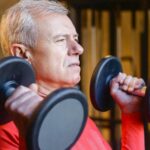
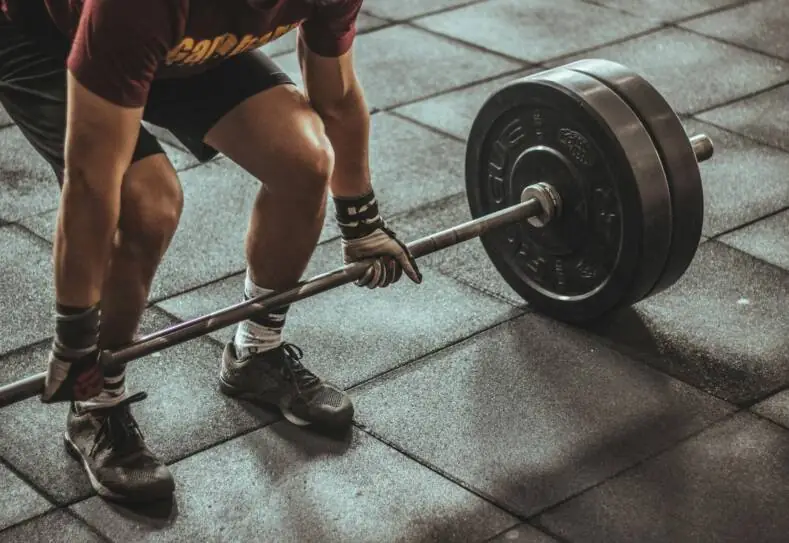
A fitness workout is more than just moving the body—it is a structured set of physical activities designed to improve strength, endurance, flexibility, and overall health. A fitness workout is defined as a planned session of exercise that targets specific aspects of physical fitness, such as cardiovascular health, muscle strength, or mobility. This clear definition sets the stage for understanding how workouts can be tailored to meet personal goals.
People often think of workouts as something only athletes or gym-goers do, but the concept applies to anyone who wants to improve daily function, energy, and well-being. From simple bodyweight exercises at home to structured training programs at a gym, fitness workouts can be adapted to different lifestyles and fitness levels.
Learning what a fitness workout is, the types available, and how to structure one effectively helps create lasting habits. By exploring the benefits and practical ways to include workouts in daily routines, anyone can build a stronger foundation for long-term health.
Defining Fitness Workout
A fitness workout involves structured activities that aim to improve strength, endurance, flexibility, and overall health. It differs from general movement by being intentional, repeatable, and focused on measurable progress in physical performance and well-being.
What Is a Fitness Workout?
A fitness workout is a planned session of exercise designed to improve or maintain physical fitness. Unlike casual movement, it has a clear purpose, such as building muscle, improving cardiovascular endurance, or increasing flexibility.
Workouts can include aerobic activities like running or cycling, strength training with weights or resistance bands, or flexibility exercises such as stretching and yoga. Many people combine these methods to create balanced routines that target multiple areas of fitness.
A workout is usually structured with a warm-up, main activity, and cool-down. The warm-up prepares the body, the main activity challenges specific abilities, and the cool-down helps with recovery. This structure makes workouts more effective and reduces risk of injury.
Difference Between Fitness, Exercise, and Physical Activity
The terms fitness, exercise, and physical activity are related but not the same.
Physical activity means any body movement that uses energy, such as walking, gardening, or climbing stairs.
Exercise is a type of physical activity that is planned, structured, and repeated, like swimming laps or lifting weights.
Fitness refers to the ability to perform daily tasks with strength, endurance, and efficiency while managing fatigue and stress.
A workout falls under exercise because it is intentional and goal-driven. For example, jogging to catch a bus counts as physical activity, but jogging three times a week for 30 minutes as part of a routine is exercise. Over time, consistent exercise improves fitness by strengthening the heart, muscles, and overall performance.
Key Components of a Fitness Workout
A complete fitness workout usually includes several elements that target different aspects of health:
Aerobic fitness – activities like cycling, swimming, or brisk walking that improve cardiovascular endurance.
Strength training – exercises such as squats, pushups, or weightlifting that build muscle and bone strength.
Core exercises – planks, sit-ups, or bridges that stabilize the trunk and support posture.
Balance training – movements like standing on one leg or tai chi that reduce fall risk and improve stability.
Flexibility and stretching – stretches or yoga that increase range of motion and reduce stiffness.
Together, these components create a balanced workout that supports long-term health, performance, and the ability to stay active in daily life.
Types of Fitness Workouts
Different types of workouts target specific areas of health and performance. Some build endurance and heart health, others increase muscle strength, while certain practices improve flexibility, posture, and stability. A balanced routine often combines these approaches to support long-term fitness.
Cardiovascular Workouts
Cardiovascular exercises, often called cardio, raise the heart rate and improve how efficiently the heart and lungs deliver oxygen. Activities such as running, swimming, cycling, brisk walking, and dancing are common examples. These workouts help improve stamina and can support weight management.
Many people follow the guideline of 150 minutes of moderate cardio per week or 75 minutes of vigorous cardio. This can be spread across several days to avoid fatigue.
Cardio workouts come in different formats. Steady-state cardio involves maintaining a consistent pace, such as jogging for 30 minutes. High-Intensity Interval Training (HIIT) alternates short bursts of effort, like sprinting, with recovery periods. Both methods can improve aerobic fitness, but HIIT often requires less total time.
Cardio also provides practical benefits. Stronger endurance makes daily tasks like climbing stairs or carrying groceries easier. It also supports heart health and circulation.
Strength and Resistance Training
Strength training focuses on building and maintaining muscle mass, bone density, and overall power. Resistance can come from lifting weights, resistance bands, gym machines, or bodyweight movements such as push-ups and squats.
Experts recommend training all major muscle groups at least twice per week. This includes legs, chest, back, shoulders, arms, and core. Balanced training helps prevent muscular imbalances and reduces injury risk.
A simple example of a strength session might include:
Upper body: bench press, pull-ups
Lower body: squats, lunges
Core: planks, sit-ups
Resistance training supports more than muscle growth. It improves posture, increases metabolism, and makes everyday movements—like lifting boxes or standing from a chair—easier. For older adults, it plays a key role in maintaining independence.
Flexibility and Balance Exercises
Flexibility and balance workouts improve joint mobility, posture, and stability. These exercises reduce stiffness and help prevent falls, especially as people age.
Yoga and tai chi are common practices that combine stretching with controlled movements. They not only improve physical flexibility but also enhance balance and coordination. Simple stretching routines after workouts also support recovery and mobility.
Balance exercises can be as basic as standing on one leg or walking heel-to-toe. More advanced options include stability ball training or single-leg squats. These movements train the body to stay steady during daily activities.
Regular stretching and balance work benefit athletes and non-athletes alike. They help maintain range of motion, reduce muscle tightness, and support safer movement patterns in both exercise and daily life.
Health Benefits of Fitness Workouts
Fitness workouts support the body and mind in measurable ways. They improve strength, endurance, and flexibility while also lowering risks linked to chronic conditions and supporting mental health.
Physical Health Improvements
Regular exercise strengthens the heart and improves circulation, which supports cardiovascular health. Aerobic activities like running, swimming, or cycling help lower resting heart rate and increase oxygen delivery to muscles.
Strength training builds lean muscle mass and improves bone density. This reduces the risk of fractures and supports better posture and balance. Flexibility and mobility exercises reduce stiffness and make daily movements easier.
Workouts also aid in weight loss and weight management. By combining physical activity with a balanced diet, individuals can reduce excess body fat and maintain healthy body composition.
Key benefits include:
Lower blood pressure through improved vascular function
Increased energy levels from better oxygen use
Improved fitness across endurance, strength, and flexibility
Mental Health and Emotional Well-Being
Exercise plays a direct role in supporting mental health. Physical activity stimulates the release of endorphins, which can improve mood and reduce stress. Even short sessions of moderate activity may ease mild anxiety.
Regular workouts are linked to a lower risk of depression. They provide structure, a sense of accomplishment, and can improve self-esteem. Group classes or team sports also add a social benefit that enhances emotional well-being.
Cognitive function improves with consistent activity. Studies show better memory, sharper focus, and slower age-related decline in thinking skills among active individuals. Sleep quality also tends to improve, which further supports mood and energy.
In summary, fitness workouts help regulate stress, boost confidence, and protect long-term brain health.
Prevention and Management of Chronic Diseases
Consistent workouts reduce the risk of several chronic conditions. For example, exercise improves insulin sensitivity, which helps prevent and manage type 2 diabetes. It also supports blood sugar control in those already diagnosed.
Physical activity lowers blood pressure and cholesterol levels, reducing the likelihood of heart disease and stroke. It strengthens the cardiovascular system, making it more effective at handling daily demands.
Weight-bearing exercises help preserve bone health, lowering the risk of osteoporosis. Maintaining healthy body weight through exercise also reduces strain on joints, which can prevent arthritis symptoms from worsening.
For many, fitness training becomes an effective tool to manage existing conditions while lowering the chance of future health problems.
How to Structure an Effective Fitness Workout
An effective fitness workout depends on clear goals, a structured plan that adapts over time, and steady effort supported by motivation. Each of these elements works together to improve performance, reduce wasted time in the gym, and make training more sustainable.
Setting Fitness Goals
Clear goals give direction to any training program. Without them, workouts can feel random and progress may stall. A strong goal is both specific and realistic, such as increasing strength in the bench press by 10 pounds in six weeks or running a 5k without stopping.
Using the SMART method—Specific, Measurable, Achievable, Relevant, and Time-bound—helps define goals that can be tracked. For example:
Specific: Improve lower body strength
Measurable: Add 20 pounds to a squat
Achievable: Based on current ability
Relevant: Supports athletic or health needs
Time-bound: Within three months
Goals should also match lifestyle. Someone who trains three days a week should not set a target that requires daily gym sessions. By aligning training goals with daily routines, the plan becomes more realistic and sustainable.
Workout Planning and Progression
A structured plan balances different types of exercise. Most effective routines combine strength training, cardio, and mobility work. Strength training improves muscle and bone health, cardio supports endurance, and mobility exercises reduce injury risk.
Frequency matters. Many people train 3–5 times per week, alternating muscle groups to allow recovery. A simple example:
Day
Focus
Mon
Upper body strength
Tue
Cardio/endurance
Wed
Lower body strength
Thu
Active recovery
Fri
Full body or interval training
Progression keeps workouts effective. This can mean adding weight, increasing repetitions, or shortening rest times. Known as progressive overload, this principle ensures the body adapts and performance improves over time.
Role of Consistency and Motivation
Consistency makes training effective. Even well-designed gym programs fail without regular attendance. Progress builds from repeated effort, not from occasional intense sessions.
Motivation helps sustain this consistency. Tracking small wins, such as improved performance in a lift or faster run times, encourages continued effort. Keeping a simple workout log or using an app can make progress visible.
External support also plays a role. Some find accountability through training partners, group classes, or personal trainers. Others prefer self-motivation strategies, such as scheduling workouts like appointments. By combining consistency with motivation, individuals maintain steady progress and reduce the risk of giving up before reaching their goals.
Incorporating Fitness Workouts Into Daily Life
Daily routines can include structured workouts as well as everyday movements that keep the body active. Small adjustments like active commuting, short exercise breaks, or household tasks can provide meaningful physical activity when done consistently.
Home and Outdoor Activities
Many people find it easier to stay fit when exercise blends into home and outdoor tasks. Yard work such as raking leaves, mowing the lawn, or shoveling snow can raise the heart rate and strengthen muscles. These activities also improve flexibility and balance when done regularly.
Simple bodyweight exercises like push-ups, squats, or planks can be performed in short sessions at home. A 10–15 minute workout can be enough to build strength and endurance without special equipment.
Outdoor options such as walking, biking, or hiking provide cardiovascular benefits while also offering fresh air. Even choosing stairs instead of elevators adds extra movement to the day.
Examples of activities at home or outdoors:
Yard work (20–30 minutes)
Brisk walking (15 minutes)
Bodyweight circuit (10 minutes)
Cycling or jogging (20–40 minutes)
These options make it easier to stay consistent since they fit naturally into daily routines and require little planning.
Fitness Workouts for Different Ages and Abilities
Fitness needs change with age, health, and ability. Children benefit from active play, short runs, or sports that build coordination and endurance. Adults often focus on a mix of strength training, aerobic activity, and flexibility to support long-term health.
Older adults may prioritize low-impact exercises such as walking, swimming, or yoga. These activities protect joints while maintaining mobility and balance. Light resistance training also helps preserve muscle mass and bone strength.
For people with limited mobility, seated exercises, resistance bands, or gentle stretching can still provide meaningful benefits. Short but frequent sessions often work better than long, demanding workouts.
Adaptations by group:
Group
Recommended Focus
Examples
Children
Play, coordination, aerobic movement
Tag, biking, jumping rope
Adults
Strength, cardio, flexibility
Weight training, running, yoga
Older adults
Balance, mobility, low-impact activity
Walking, swimming, chair yoga
Limited ability
Safe, modified strength and stretching
Seated bands, light weights
Matching workouts to ability helps maintain consistency and reduces the risk of injury, while still supporting a fit and active lifestyle.
Related Posts:
Fitness Vigor Fitness vigor means having strength and energy for daily activities, built by…