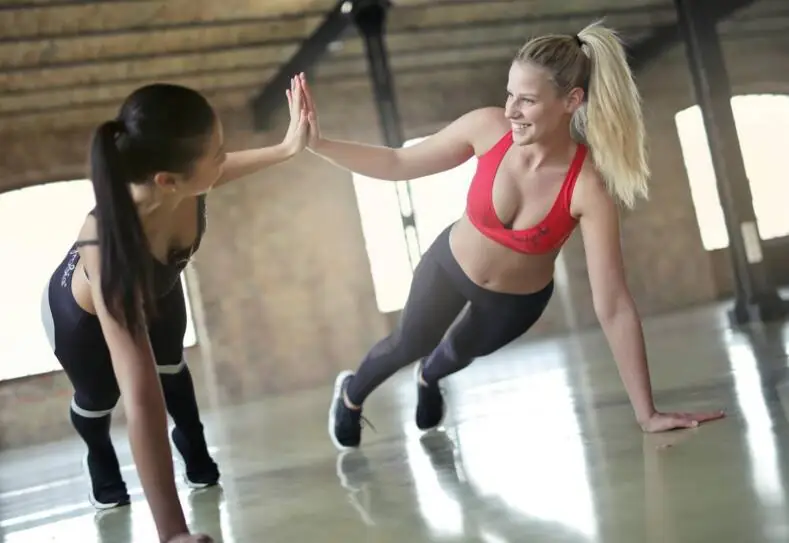
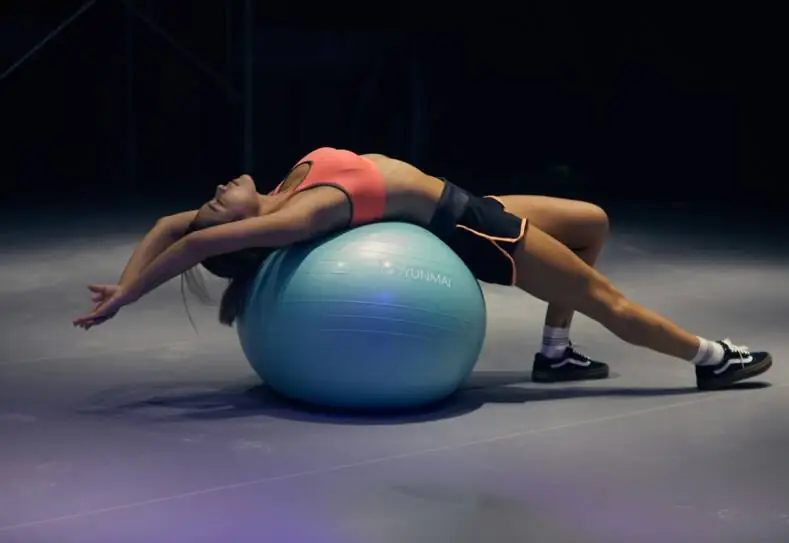
Fitness vigor means having strength and energy for daily activities, built by consistent exercise and smart nutrition. People often want to improve their fitness, but may not know how to get started or maintain steady progress. Achieving this kind of energy can help make workouts, work, and everyday tasks easier.
Learning about fitness vigor helps people create routines that fit their goals and lifestyles, even at home. Different equipment and workout plans can support this journey, but understanding the basics is the best place to start.
Key Takeaways
Fitness vigor is about strength and steady energy.
Simple routines at home can help improve vigor.
Choosing the right workouts and tools can boost results.
Understanding Fitness Vigor
Fitness vigor means more than just having energy. It involves a strong and steady ability to perform exercises, recover well, and keep up regular workouts. Building vigor in fitness supports not only everyday activities but also long-term health.
The Meaning of Vigor in Fitness
Vigor in fitness is the combination of energy, strength, and endurance a person has when doing physical activities. It is not only about being able to lift heavy weights or run fast, but also about pushing through a full workout routine without feeling drained too soon.
A person with high fitness vigor can handle tough exercises, recover quickly, and stay active more often. This ability comes from a mix of regular training, good nutrition, and enough rest. Vigor is a sign of a balanced and healthy fitness routine.
It involves both physical and mental drive. Motivation and consistency play a key role in developing vigor alongside physical strength and cardiovascular health.
Benefits of Enhanced Physical Vigor
Having good physical vigor gives people the power to get more out of each exercise session. It allows for longer workouts, better recovery, and greater enjoyment of fitness activities.
Some key benefits include:
Increased stamina: People can exercise for longer, which supports heart and lung health.
Improved strength: Muscles become more efficient, allowing for a wider range of movements.
Faster recovery: With higher vigor, the body repairs itself quicker after training, reducing soreness.
A person with strong vigor is less likely to skip workouts because they feel better and have more motivation. It also helps with daily tasks, as carrying groceries or climbing stairs gets easier with increased energy and endurance.
Attributes of a Vigorous Workout
A vigorous workout is marked by high energy output, fast-paced movements, and a challenging level of intensity. These workouts often include a mix of cardio, strength exercises, and flexibility training.
Common features of a vigorous workout:
Uses both large and small muscle groups
Includes short rest periods and maintains a steady pace
Challenges the heart and lungs
Examples of vigorous activities:
Cardio
Strength
Flexibility
Running
Weightlifting
Dynamic stretching
High-intensity cycling
Push-ups, squats
Yoga flow
Jump rope
Kettlebell swings
Pilates
Vigorous workouts should match a person’s fitness level. Starting slow and building intensity over time helps avoid injury and supports lasting progress. Proper form and hydration are essential for safe and effective training.
Building Fitness Vigor at Home
Creating a strong home workout routine means choosing the right equipment and knowing which features matter. Setting up a functional home gym helps people stay active and makes vigorous exercise easier to manage.
Home Gym Essentials
A home gym should have versatile tools that support a wide range of exercises.
Free weights like dumbbells and kettlebells are important for building muscle. They allow for exercises such as squats, presses, and lunges. Adjustable weights can save space and money.
Resistance bands are useful for strength training and stretching. Bands come in different levels: light, medium, and heavy. They are easy to store, which is helpful in smaller spaces. Many people use them to target arms, legs, and core.
A sturdy exercise mat provides comfort and safety. Mats protect floors and help prevent injuries during floor exercises.
When selecting a bench or supporting equipment, look for stable models with clear product dimensions to assure fit and safety.
Key Items in a Basic Home Gym | Recommended for:
Equipment
Use
Dumbbells
Upper/lower body strength
Resistance Bands
Strength & flexibility
Exercise Mat
Core/floor exercises
Adjustable Bench
Presses, rows, step-ups
Choosing Equipment for Vigorous Training
Selecting equipment for vigorous workouts depends on the types of exercise a person plans to perform.
If someone plans high-intensity workouts, look for equipment that supports multi-joint movements and full-body training. For example, products like the VigorFit Gym offer multiple resistance levels and use resistance bands with different settings. This makes it easy to adjust workouts for strength or cardio training.
For free weights, knowing the product dimension ensures the equipment fits in the space. Make sure there is enough room for movement, such as squatting or swinging weights. Adjustable dumbbells and compact benches work well for small areas.
Versatile equipment like resistance bands help maintain variety and challenge. Bands and free weights let people train at different intensities and target more muscle groups.
Focus on quality and stability. Look for sturdy frames, non-slip finishes, and clear weight limits. Reliable equipment keeps workouts safe and comfortable, helping users build fitness vigor steadily at home.
Optimizing Workout Programs for Vigor
Building vigor through fitness means using workout programs that balance exercise variety, structured routines, and the right intensity. Choosing correct resistance levels and incorporating strength training helps improve muscle, energy, and physical endurance.
Structuring Effective Workout Routines
A well-structured workout program usually includes full body exercises spread over several days each week. For example, a three-day full body program can focus on major muscle groups with added time for recovery. This prevents overtraining and allows for consistent progress.
Each session should use simple, but effective, moves like squats, deadlifts, push-ups, and pull-ups. Using a mix of compound and isolation exercises helps target different muscles. To keep strength and muscle growing, rest periods may be set at around three minutes for heavy lifts.
Making changes in exercise type, number of sets, and repetitions over time can keep workouts fresh. Logging progress in a notebook or tracking app helps ensure that resistance levels and exercise selection are moving forward each week.
Incorporating Resistance and Strength Training
Resistance training is key for building muscle vigor and improving strength. Both free weights and machines can be used, depending on skill and comfort. Typical resistance levels range from moderate (about 60% of maximum effort) for muscle growth to higher levels (80% or more) for strength gains.
Using a variety of resistance options, such as dumbbells, barbells, and bodyweight exercises, challenges the muscles in different ways. Aim for 2–4 sets of each exercise with 8–12 repetitions for most major moves. Slower, controlled movements ensure safety and quality of training.
Including compound lifts—such as the trap bar deadlift or Bulgarian split squat—boosts results by working multiple muscles at once. For those seeking faster recovery, adding light cardio or stretching after resistance training helps reduce fatigue and stress on the body.
VigorFit and Total Gym: Equipment Comparison
VigorFit and Total Gym are home gym systems designed for all fitness levels. Both use bodyweight as resistance with adjustable incline and additional accessories, but they differ in range, included features, and resistance options.
Key Features of VigorFit
VigorFit offers over 75 resistance levels, which is much higher than the 12 levels found on most Total Gym models. This greater range allows for more precise workout adjustments, suiting both beginners and advanced users.
VigorFit usually comes with a standard Pilates kit and strength kit. These kits help users target flexibility and core strength, along with traditional weight training. The VigorFit also includes 5 power resistance bands, adding more challenge to exercises.
The equipment uses a movable incline bench to adjust resistance level. Its frame supports a wide range of exercises, from chest presses to squats, making it versatile for full-body workouts.
A comparison table of standard features:
Feature
VigorFit
Total Gym
Incline Levels
75+
12
Resistance Bands
Yes (5)
Sometimes
Pilates Kit
Yes
Sometimes
Strength Kit
Yes
Sometimes
How VigorFit and Total Gym Support Fitness Vigor
Both VigorFit and Total Gym promote fitness vigor by supporting strength, flexibility, and endurance training at home. Their sliding benches and incline levels make it easy to scale a workout’s difficulty.
Resistance bands boost the variety and intensity of each exercise. This leads to improved muscle strength and better cardiovascular fitness. The available accessory kits help users add new movements and increase workout variety.
Each gym’s focus on adjustable incline means the user can start light and progress over time. This encourages continued growth as fitness levels improve. These features make both systems suitable for long-term use, adapting to different training needs.
Enhancing Your Fitness Vigor Experience
Improving your fitness vigor comes from using expert help, adding the right tools, and knowing what support your equipment offers. From training guidance to equipment choices, each decision matters in reaching your goals.
Working With a Personal Trainer
A personal trainer gives guidance and structure to any fitness routine. They design workouts tailored to individual needs, ensuring proper form and reducing risk of injury. Trainers also track progress and adjust workouts to keep challenges fresh.
For those using strength stations or equipment like a squat board, sit up station, or dual leg rope system, personal trainers show the proper way to use each device. This helps users get the most benefit while avoiding mistakes. Trainers provide motivation to help people stick to their routines.
A certified trainer often stays updated on new fitness trends and research. Clients get expert advice on nutrition, recovery, and how to combine tools like a push up bar or weight bar for balanced results. Working with a professional builds confidence and can speed up progress.
Maximizing Results With Accessories
Accessories help target different muscle groups and add variety to workouts. Push up bars and pull up bars support bodyweight training that improves upper body and core strength. These tools are great for home gyms and easy to store.
A sit up station focuses on abdominal muscles and helps maintain correct form. A squat board supports ankle mobility and deeper squats. Combining accessories like a weight bar with a dual leg rope system allows for unique exercises that activate multiple muscle groups at once.
The right equipment makes workouts more efficient. Using a chart or list can track sets, reps, or which accessories get used each session. This keeps training on track and prevents overuse. Rotate equipment to get the full benefits and prevent boredom.
Understanding Warranties and Product Longevity
Knowing the warranty terms on fitness equipment is important. Many products, like weight bars, pull up bars, or squat boards, offer warranties that may range from one year to a lifetime warranty. A lifetime warranty means the item is covered for as long as the buyer owns it, protecting against defects or failures from normal use.
Before buying, check if warranties cover regular wear and tear, accidental damage, or just manufacturing errors. Read the fine print and keep proof of purchase. A good warranty adds value and gives peace of mind, especially for high-use equipment.
Routine care, such as wiping down bars, checking for loose bolts, and storing equipment properly, extends the life of fitness products. Some companies have customer support or online forms to help users register products or request repairs under warranty. Knowing your rights ensures less downtime and better results from your equipment investment.
Frequently Asked Questions
People often want to know about costs, services, and what to expect before joining a fitness club. Knowing about fees, amenities, and membership details can help make the right choice for health and exercise goals.
What are the typical membership fees for joining a fitness club?
Fitness club membership costs depend on the gym’s location, brand, and services. On average, monthly fees in the United States range from $30 to $70. Some clubs may charge an enrollment fee, usually $25 to $100, when signing up.
Discounts are sometimes available for students, families, or yearly contracts. Always check for any current promotions before joining.
How can I find a local fitness center in my area?
Most people search online using maps or search engines to find nearby gyms. Searching terms like “fitness center near me” usually shows local options.
Many fitness clubs have official websites with location details and contact information. Community centers and local government websites may also list nearby gym facilities.
What should I look for when reading fitness center reviews?
Look for comments about cleanliness, quality of equipment, staff professionalism, and wait times for machines. Feedback about member experience and customer service is important.
Ratings that mention hidden fees, crowd size, and the range of group classes can help you compare gyms. Pay attention to consistent issues in reviews.
Are there additional charges to be aware of when joining a fitness club?
Some gyms charge extra for group fitness classes, personal training sessions, or towel service. Others may add maintenance fees or require an annual fee.
Ask about any cancellation fees or costs if you decide to put your membership on hold. Always read the membership contract to understand all charges.
What amenities and services are included in a standard gym membership?
Most memberships include access to cardio equipment, weight machines, and free weights. Some gyms also offer group exercise classes like yoga or cycling. Locker rooms and showers are usually standard.
Advanced clubs may include pools, saunas, basketball courts, or childcare services. The specific amenities depend on the gym, so check with your local club before joining.
How does physical vigor relate to overall fitness levels?
Physical vigor refers to energy, strength, and endurance. High vigor often means a person can complete physical activities more easily and for longer periods.
Having good physical vigor supports better exercise performance and daily function. It is an important part of being physically fit, along with flexibility, balance, and cardiovascular health.