Schools across the country are finding new ways to improve student health and fitness. One of the best options is applying for fitness equipment grants. These special funding opportunities help schools build or upgrade weight rooms, purchase new equipment, and create better fitness spaces for students.
Many fitness equipment grants for schools offer between $1,000 and $25,000 to purchase everything from basic weights to complete workout systems. The application periods often run from September to November, with awards typically announced in April. Schools can use these funds to create spaces that encourage physical activity and wellness among students of all ages.
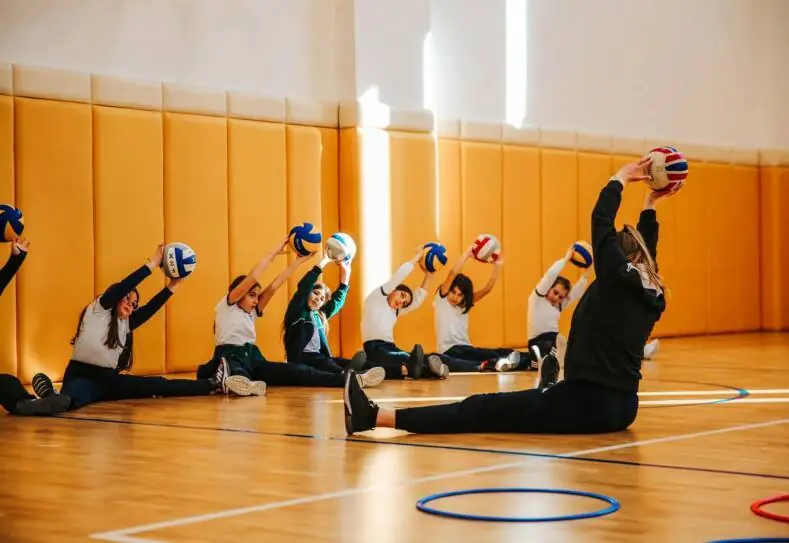
These grants aren’t just for high schools – many elementary and middle schools also qualify for fitness funding. Organizations like the National Fitness Campaign provide consulting services to help schools navigate the application process. With childhood obesity rates rising, these grants represent a valuable opportunity for schools to promote healthier habits through improved fitness facilities.
Understanding Fitness Equipment Grants
Fitness equipment grants provide schools with financial resources to purchase gym equipment and create better physical education environments for students. These funding opportunities come from various sources and support different aspects of school fitness programs.
Types of Grants Available for Schools
Federal grants offer substantial funding for school fitness initiatives. The Department of Education and Department of Health provide dedicated funds for physical education programs, with amounts ranging from $5,000 to $50,000 depending on school size and needs.
State-level grants are often more accessible for schools. Many states allocate specific funding for educational fitness programs through their departments of education or health services.
Private foundations like the NFL Play 60 program and the American Heart Association provide equipment grants to schools. These organizations typically focus on promoting student health and reducing childhood obesity.
Corporate sponsors such as Nike, Under Armour, and local businesses sometimes offer equipment donations or financial support to schools in their communities.
The Importance of Physical Activity in Education
Regular physical activity improves academic performance. Studies show students who participate in daily physical education score higher on standardized tests, especially in mathematics and reading comprehension.
Physical activity helps develop crucial social skills. Team activities in gym class teach cooperation, leadership, and communication skills that benefit students beyond the classroom.
Fitness programs reduce behavioral issues in schools. Teachers report fewer classroom disruptions and improved attention spans when students have regular physical activity breaks.
Physical education establishes healthy habits that last into adulthood. Students who develop positive associations with exercise during school years are more likely to maintain active lifestyles as adults.
Eligibility Criteria for School Fitness Equipment Grants
Schools seeking fitness equipment grants must meet specific requirements and provide proper documentation. Grant eligibility varies between programs but typically focuses on demonstrated need and proper program planning.
Determining School Eligibility
Most fitness equipment grants target public schools in underserved areas with limited resources. Title I schools often receive priority consideration due to their higher percentage of low-income students. Schools must demonstrate a clear need for new or upgraded fitness equipment in their application.
Many grant programs require schools to have a dedicated physical education program with qualified staff. For example, Sports Matter grants offer $1,000 to $25,000 for schools with organized sports programs serving youth 18 and under.
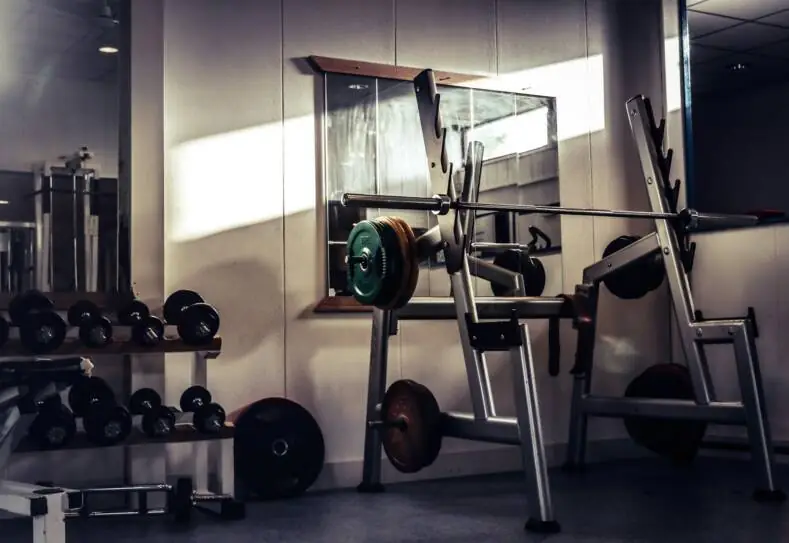
Some grants specifically target high school weight rooms and strength training facilities. These programs typically require schools to show how the equipment will benefit a significant portion of the student body, not just athletic teams.
Required Documentation for Application
Grant applications typically require a detailed project proposal explaining how the fitness equipment will be used. This should include specific equipment needs, installation plans, and maintenance strategies.
Schools must submit budget documentation showing:
Itemized equipment costs
Installation expenses
Ongoing maintenance needs
Any matching funds available
Most applications require a letter of support from school administration or district officials. This demonstrates institutional commitment to the fitness program beyond the grant period.
Schools should include data on their student population, including demographics and economic indicators. This information helps establish need and eligibility for specific grant programs.
Proof of proper supervision and safety protocols is essential, especially for weight training equipment grants. Applications should detail staff qualifications and safety procedures.
Writing a Compelling Grant Proposal
Creating a strong grant proposal can make the difference between securing fitness equipment funding for your school or walking away empty-handed. A well-crafted proposal clearly communicates your needs, plans, and expected outcomes.
Key Components of a Successful Proposal
Start with a clear needs assessment that explains why your school requires fitness equipment. Use specific data points about your current situation and student population.
Include measurable objectives that show exactly what you hope to accomplish. For example: “Increase student physical activity by 30% through access to new cardio equipment.”
Develop a detailed budget listing all equipment costs, installation fees, and maintenance expenses. Grant reviewers appreciate transparency in financial planning.
Explain your implementation timeline with key milestones. This demonstrates you’ve thought through the logistics of receiving and utilizing the equipment.
Add evidence-based research showing how similar fitness programs have improved student health outcomes. This strengthens your case for funding.
Utilizing Resources like Grantwriterteam
Professional grant writing services like Grantwriterteam can significantly improve your chances of success. These experts understand what funders look for in proposals for school fitness equipment.
Grant writing professionals can help identify appropriate funding sources that align with your specific needs. Not all grants are created equal, and targeting the right opportunities saves valuable time.
They offer proposal review services to polish your application before submission. Even small improvements in clarity and persuasiveness can make a difference.
Grantwriterteam can connect you with writers experienced in physical education funding specifically. Their knowledge of successful community development projects provides valuable insights for your proposal.
Integrating Equipment Grants into School Programs
Successfully implementing fitness equipment grants requires strategic planning to maximize their impact on student health and engagement. Schools can leverage these resources to create comprehensive physical education opportunities that benefit the entire student body.
Enhancing After-School Athletics Programming
After-school athletics programs offer excellent opportunities to utilize grant-funded fitness equipment. Middle schools can create specialized training stations with new equipment that support various sports and activities. For example, adjustable weight stations can serve both the basketball team and track athletes.
Schools can develop rotating equipment schedules to ensure all teams have access to appropriate resources. This approach helps maximize grant investments while serving more students.
Some schools have successfully implemented innovative programs like archery using specialized equipment grants. These programs often attract students who might not participate in traditional sports, broadening physical activity participation.
Equipment grants can also support partnerships with community organizations. Local fitness professionals or at-risk military veterans might volunteer coaching time when schools provide quality equipment.
Promoting Inclusive Physical Activities
Grant-funded fitness equipment allows schools to create adaptive physical education programs that serve all students. Height-adjustable equipment and modified fitness tools help students with different physical abilities participate fully in PE classes.
Schools should select equipment that supports various skill levels. For example, lightweight training equipment can help beginners build confidence while more advanced options challenge athletic students.
Creating dedicated fitness stations with clear, simple instructions makes equipment accessible to all students. Visual guides posted near equipment help students use items correctly and safely without constant supervision.
Some successful grant recipients have created “fitness zones” throughout school grounds. These areas feature different types of equipment targeting specific physical skills, allowing students to rotate through activities based on their interests and abilities.
Leveraging Grants for Community Engagement
Securing fitness equipment grants provides schools with unique opportunities to extend their impact beyond campus boundaries. These resources can strengthen community ties and create sustainable health initiatives that benefit students and local residents alike.
Supporting Community Service Projects
Fitness equipment grants often include provisions for community service components. Schools can design student-led fitness programs that serve local residents, particularly underserved populations.
For example, grant-funded weight rooms and fitness spaces can host weekend community fitness days where students lead exercise classes for neighbors. This provides practical experience for students while meeting grant requirements for community impact.
Some grants specifically reward schools that incorporate service learning. The Michigan Fitness Foundation offers competitive grants that favor proposals with strong community engagement components.
Students can organize fitness challenges or fun runs that utilize the new equipment while raising awareness about health issues. These events build leadership skills and strengthen town-school relationships.
Collaborating with Local Nonprofits and Land Trusts
Strategic partnerships with community organizations can significantly enhance grant applications and program sustainability. Schools that collaborate with local nonprofits often receive preference from funding sources.
Land trusts can provide outdoor spaces for fitness activities that complement indoor equipment. These partnerships might include developing trail systems or outdoor fitness stations that connect to school facilities.
Joint proposals with established organizations demonstrate community buy-in and extend the reach of fitness initiatives. They also open doors to additional funding sources that might not be available to schools alone.
When working with nonprofits, create clear agreements about equipment access, maintenance responsibilities, and scheduling. This ensures smooth operations and prevents potential conflicts.
Local businesses often contribute matching funds when they see strong nonprofit partnerships, further enhancing the impact of the original equipment grant.