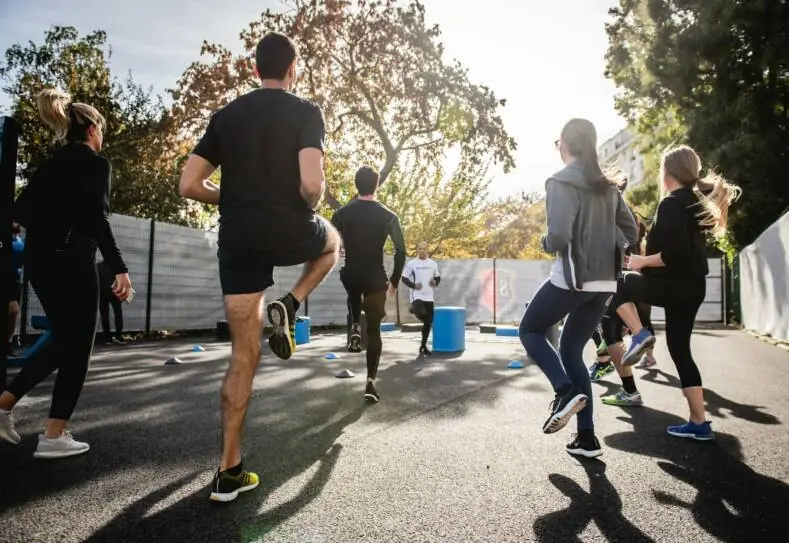
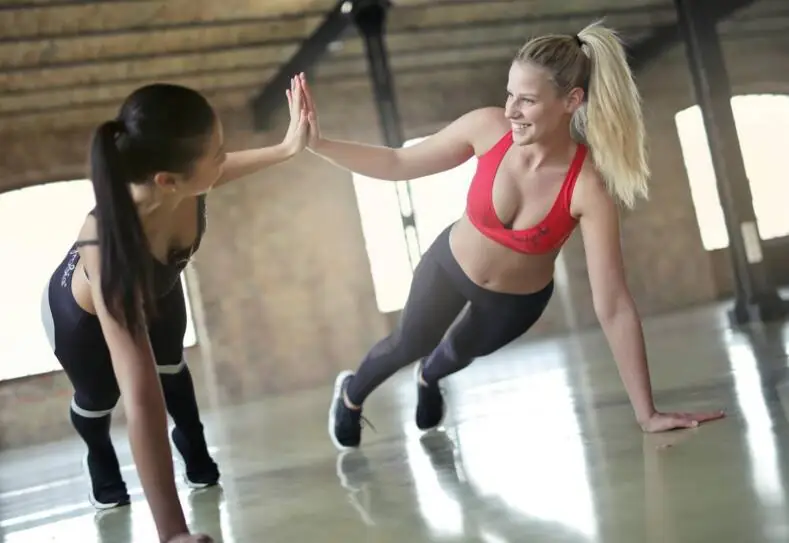
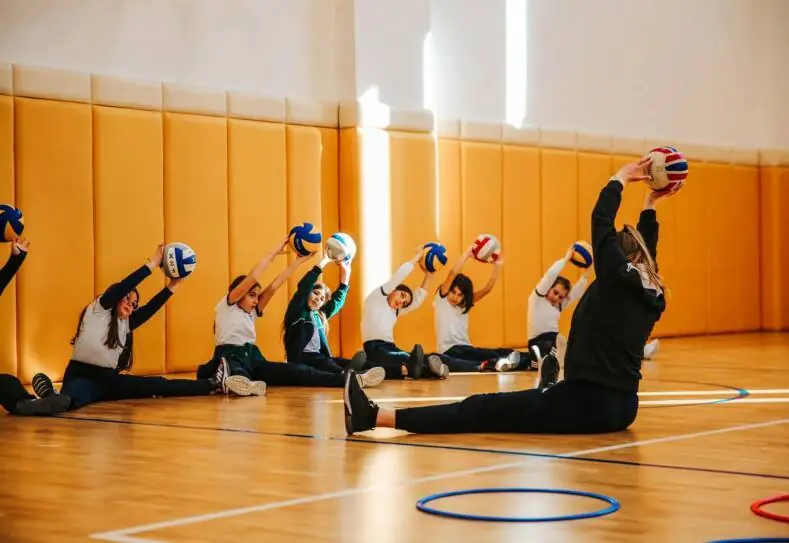
Staying active is more fun with friends by your side. Group fitness challenges add accountability, motivation, and a healthy dose of competition to your workout routine. Whether you’re looking to build strength, improve endurance, or simply establish consistent habits, the right challenge can transform how you approach fitness.
The most effective fitness challenges with friends combine accessibility, clear goals, and regular check-ins to keep everyone engaged. Popular options include 30-day challenges focusing on specific exercises like squats or planks, distance-based competitions for runners or cyclists, and point systems that reward consistent workout attendance.
These challenges work because they turn exercise into a social activity rather than a solitary chore. Friends can share progress through group chats, celebrate milestones together, and provide encouragement on tough days. Even simple challenges like committing to 20 minutes of daily movement or weekly workout check-ins can create lasting habits while strengthening friendships.
Designing Your Fitness Challenge
Creating an effective fitness challenge with friends requires thoughtful planning and clear structure. A well-designed challenge keeps everyone engaged and motivated throughout the entire process.
Establishing Clear Fitness Goals
When designing a fitness challenge, specific goals give participants something concrete to work toward. Start by determining what everyone hopes to achieve – whether it’s increasing workout frequency, improving strength, or enhancing overall wellness.
Effective goals should follow the SMART framework:
Specific: “Complete 20 workouts in 30 days” instead of “exercise more”
Measurable: Track progress with numbers (steps, workouts, minutes)
Achievable: Set realistic targets based on current fitness levels
Relevant: Choose activities that participants enjoy and can access
Time-bound: Set a clear timeframe (two weeks, one month, etc.)
Consider different fitness levels when establishing goals. Some friends might be beginners while others have more experience. Create tiered challenges or flexible targets to accommodate everyone.
Include both individual and group goals to foster personal improvement and team spirit. A mix might include personal targets (daily step counts) alongside group achievements (“collective 100 miles covered”).
Regular check-ins help maintain accountability. Schedule weekly progress updates through a group chat or fitness tracking app to keep everyone motivated and engaged.
Types of Fitness Challenges
Fitness challenges come in different forms to suit various goals and preferences. They can help you stay motivated, track progress, and add a fun competitive element when doing them with friends.
Workout Challenges
Workout challenges focus on physical activities that build strength, endurance, or flexibility. The popular A-Z fitness challenge assigns one exercise to each letter of the alphabet, creating a structured 26-day program.
A “30-day challenge” is another effective option where participants commit to a specific exercise every day for a month. This might include push-ups, squats, or planks with increasing repetitions as the days progress.
For friends with different fitness levels, try a points-based system. Assign points to various workouts (running = 1 point per mile, yoga class = 5 points) and set a weekly target to reach together.
Group challenges can include step competitions using fitness trackers, weekly workout streaks, or exercise bingo cards with different activities to complete.
Healthy Eating Challenges
Nutrition challenges complement physical activity and support overall fitness goals. A popular option is the meal prep challenge, where friends commit to preparing healthy meals in advance for a set period.
Water intake challenges encourage proper hydration by tracking daily consumption. Participants can use apps or marked water bottles to monitor their progress.
Try a “new healthy recipe” challenge where each person must cook one nutritious new dish weekly and share photos with the group. This adds variety to everyone’s diet.
Other ideas include:
Sugar-free weeks
Plant-based meal days
“Rainbow eating” (consuming fruits/vegetables of different colors daily)
Mindful eating practices (no screens during meals)
Mindfulness and Wellness Challenges
Wellness challenges address mental health and recovery, which are essential parts of a balanced fitness routine. Daily meditation challenges start with just 5 minutes and gradually increase the duration.
Sleep improvement challenges focus on consistent bedtimes and creating better sleep environments. Participants can track their sleep quality and share tips.
Gratitude practices work well as group challenges. Each person writes down three things they’re grateful for daily and shares with friends weekly.
Digital detox mini-challenges (no phones after 8 PM or social media-free weekends) help reduce stress and improve focus. Friends can check in with each other for accountability.
Yoga challenges combining physical postures with breathing exercises provide both mental and physical benefits. Even beginners can participate with simplified versions of poses.
Incorporating Technology and Tracking
Technology can transform your fitness challenges with friends by adding structure, motivation, and fun. Digital tools make it easier to track progress, stay connected, and create rewarding experiences throughout your fitness journey.
Using Fitness Trackers
Fitness trackers serve as powerful allies in group challenges. Devices like Fitbit, Garmin, and Apple Watch accurately measure steps, calories, heart rate, and workout intensity. Many trackers allow you to connect with friends directly through their companion apps.
Strava stands out as a versatile option for tracking various outdoor activities including cycling, running, and hiking. The app’s social features make it simple to compare stats and celebrate achievements together.
For beginners, even smartphone pedometer apps can work well. The key is choosing a tracking method everyone in your group can access consistently. Most fitness trackers offer free shipping when purchased online, making them accessible to your entire group.
Creating a Facebook Group for Accountability
A dedicated Facebook group provides a central hub for your fitness challenge. This space lets everyone share daily updates, workout selfies, and progress reports without cluttering regular social media feeds.
The group can host daily or weekly check-ins where participants post their stats. These regular updates foster accountability as no one wants to be the person who hasn’t made progress.
Facebook’s events feature helps schedule group workouts or milestone celebrations. You can also use polls to gather feedback about the challenge structure or vote on future activities.
Privacy settings allow you to control who sees your fitness journey, creating a safe space for vulnerability and support.
Offering Rewards and Incentives
Rewards significantly boost motivation during fitness challenges. Consider creating a point system that tracks various activities, not just one metric like steps or weight loss.
Small weekly prizes keep energy high throughout the challenge. Examples include gift cards, fitness accessories, or healthy meal delivery services. For budget-friendly options, winners might earn privileges like choosing the next group workout.
A grand prize for the overall challenge winner adds excitement. This could be fitness gear, free shipping on a larger purchase, or a group experience like a hiking trip.
Non-material rewards work too. Recognition posts, digital badges, or a rotating trophy can be powerful motivators. The most effective reward systems combine tangible prizes with social recognition from the group.
Physical Activities for Group Challenges
Group fitness challenges thrive on engaging physical activities that everyone can participate in. The right mix of exercises keeps participants motivated and helps track progress throughout the challenge.
Running and Walking
Walking and running challenges work well for groups of all fitness levels. A step challenge using fitness trackers allows friends to compete while fitting activity into their daily routines. Set a group goal of reaching a certain number of steps in a month, or create a leaderboard to track individual progress.
Try organizing weekend group runs at local parks or trails. These sessions build community while providing accountability. For beginners, alternating walking and running intervals makes the challenge more accessible.
Virtual races offer another option. Participants run the same distance in different locations, then share their times and experiences. This works especially well for friends who live in different areas but want to stay connected through fitness.
Dance and Movement
Dance challenges bring fun and creativity to group fitness. Organize weekly dance sessions where friends learn simple choreography together. Many online platforms offer free dance tutorials that groups can follow.
Try a “dance-off” where each participant takes turns teaching their favorite moves. This builds confidence and keeps the challenge fresh. Dance-based video games also make great group activities with built-in scoring systems.
For a structured approach, sign up for a group dance class. Options range from hip-hop to ballroom dancing. Many studios offer discounted rates for groups. This scheduled commitment helps maintain consistency throughout the challenge duration.
Strength and Conditioning
Bodyweight exercise challenges work well for groups because they require minimal equipment. Create a monthly calendar with daily exercises like push-ups, squats, and planks. Gradually increase repetitions as the challenge progresses.
Circuit training sessions allow friends to work out together at their own pace. Set up stations with different exercises and rotate through them. This format accommodates varying fitness levels while maintaining the group dynamic.
Consider a “fitness bingo” board with different strength exercises in each square. Participants mark off completed exercises and celebrate when someone achieves a line or full board. This gamified approach maintains interest over longer challenge periods.
Fueling the Fitness Journey
Success in fitness challenges requires more than just exercise. What you eat and how you rest directly impacts your performance and results during friendly fitness competitions.
The Role of Protein and Healthy Eating
Protein serves as the building block for muscle recovery after challenging workouts. Aim for 0.8-1 gram of protein per pound of body weight daily when participating in intense fitness challenges.
Meal timing matters too. Eating a small carbohydrate and protein meal 1-2 hours before exercising provides energy for optimal performance.
Post-workout nutrition is equally important. Consuming protein within 30 minutes after exercise helps repair muscle tissue and speeds recovery between challenge workouts.
Healthy eating during fitness challenges should focus on:
Whole foods rather than processed options
Colorful vegetables and fruits for vitamins and minerals
Complex carbohydrates for sustained energy
Healthy fats for hormonal balance
Importance of Hydration and Sleep
Proper hydration directly affects exercise performance. Even mild dehydration can reduce strength, endurance, and focus during fitness challenges with friends.
Water needs increase during fitness challenges. Most active people should drink 2.5-3.5 liters daily, more during intense exercise or hot weather conditions.
Sleep is often overlooked but crucial for fitness success. During sleep, the body releases growth hormone which repairs muscles and builds strength.
Quality sleep recommendations include:
7-9 hours nightly for most adults
Consistent sleep and wake times
Cool, dark sleeping environment
Reduced screen time before bed
Recovery days between challenge activities allow for better sleep quality and more effective muscle repair, leading to improved performance in subsequent workouts.