Home » Fitness and Wellness Movement in the Contemporary Perspectives
Fitness and Wellness Movement in the Contemporary Perspectives
The fitness and wellness movement has undergone a remarkable transformation in recent years, shifting from a narrow focus on physical exercise to a comprehensive approach that encompasses multiple dimensions of health. Today’s wellness philosophy integrates physical fitness with mental health, emotional well-being, nutrition, and lifestyle choices to create a holistic framework for optimal living. This broader perspective acknowledges that true wellness cannot be achieved through isolated efforts but requires attention to the interconnected aspects of human health.
Society’s understanding of fitness has evolved beyond aesthetic goals or athletic performance to recognize its fundamental role in preventing disease and promoting longevity. The contemporary wellness movement emphasizes sustainability and balance, encouraging individuals to adopt habits they can maintain throughout their lives rather than pursuing short-term, extreme regimens. This shift reflects growing awareness that wellness is not a destination but an ongoing journey that requires consistent, mindful choices.
The modern approach also recognizes the importance of personalization in wellness practices. What works for one individual may not work for another, leading to more customized fitness programs, nutritional advice, and mental health strategies. This individualized perspective empowers people to develop wellness routines that align with their unique needs, preferences, and circumstances rather than following one-size-fits-all solutions that dominated earlier fitness paradigms.
Historical Context and Evolution of Fitness and Wellness
The concept of fitness and wellness has transformed dramatically throughout human history, evolving from survival-based physical activity to comprehensive health approaches that integrate mind, body, and spirit. Ancient civilizations recognized the value of physical conditioning, while modern movements have expanded to include technological innovations and holistic perspectives.
The Shift to Holistic Health Approaches
The evolution toward holistic wellness began in the 19th century with various intellectual and religious movements in the United States and Europe. Physical education programs emerged as nationalistic pride grew, particularly through gymnastics initiatives that emphasized collective strength and vitality.
By the mid-20th century, the focus expanded beyond physical fitness to include mental and emotional well-being. Department of Health agencies worldwide began promoting integrated approaches to health education, recognizing that physical wellness alone was insufficient for overall health.
Community health programs started incorporating traditional practices from Eastern cultures, including yoga, meditation, and mindfulness. This integration represented a significant departure from purely physical fitness models toward comprehensive wellness that addresses nutritional, psychological, and spiritual dimensions.
Influence of Technology on Fitness and Wellness
Technological advancements have both challenged and enhanced fitness and wellness practices. The digital revolution initially contributed to increasingly sedentary lifestyles, with automation and screen-based activities reducing daily physical movement.
In response, innovative technologies emerged to counter this trend. Wearable fitness trackers, mobile health applications, and virtual training platforms have democratized access to personalized fitness guidance and health monitoring.
Physical education systems now incorporate technology into their curricula, using interactive tools to engage students and track progress. These developments have transformed how individuals interact with their health data, creating unprecedented opportunities for self-monitoring and motivation.
Community health initiatives leverage digital platforms to reach broader populations, particularly in underserved areas. Virtual wellness programs provide accessibility to those with limited mobility or geographic constraints, though concerns about the digital divide remain important considerations for equitable health promotion.
Modern Fitness and Wellness Movements
The contemporary landscape of fitness and wellness has evolved into diverse movements that prioritize holistic health approaches. These movements integrate physical activity with mental well-being and preventive health practices, reflecting a shift from reactive healthcare to proactive wellness management.
Personal Fitness and Wellness Programs
Personal fitness programs have transformed significantly in recent years, moving beyond traditional gym workouts to include personalized approaches tailored to individual needs. Digital fitness platforms now offer customized workout routines, nutrition tracking, and wellness metrics that individuals can access anywhere.
Wearable technology has revolutionized how people monitor their health, with devices tracking everything from steps and heart rate to sleep quality and stress levels. This data-driven approach allows for more informed lifestyle choices and behavior modifications.
Holistic wellness programs increasingly combine physical exercise with meditation, proper nutrition, and adequate rest. Many individuals now pursue wellness through a balanced approach that considers:
Organizations now recognize that employee wellness directly impacts productivity and retention. Corporate wellness programs offer benefits like on-site fitness facilities, health screenings, and mental health resources, creating environments that support overall well-being.
Community-based wellness initiatives have gained momentum, with cities designing infrastructure that encourages active transportation and outdoor recreation. Public parks, walking trails, and community gardens promote physical activity while fostering social connections.
Wellness-focused communities often sponsor group fitness classes, nutrition workshops, and health fairs that make wellness accessible to diverse populations. These initiatives help reduce healthcare costs while improving community health outcomes.
Schools have implemented wellness programs teaching children healthy habits early, including regular physical education, nutritious meal options, and stress management techniques. These programs aim to establish lifelong wellness behaviors from a young age.
Exercise and Physical Activity in Contemporary Society
Modern perspectives on physical activity have evolved to embrace diverse forms of exercise that enhance overall health, from traditional workout routines to recreational sports.
Cardiovascular and Strength Training
Cardiovascular exercise has become a cornerstone of fitness routines in contemporary society. Activities like running, cycling, and swimming improve heart health, boost metabolism, and enhance respiratory function.
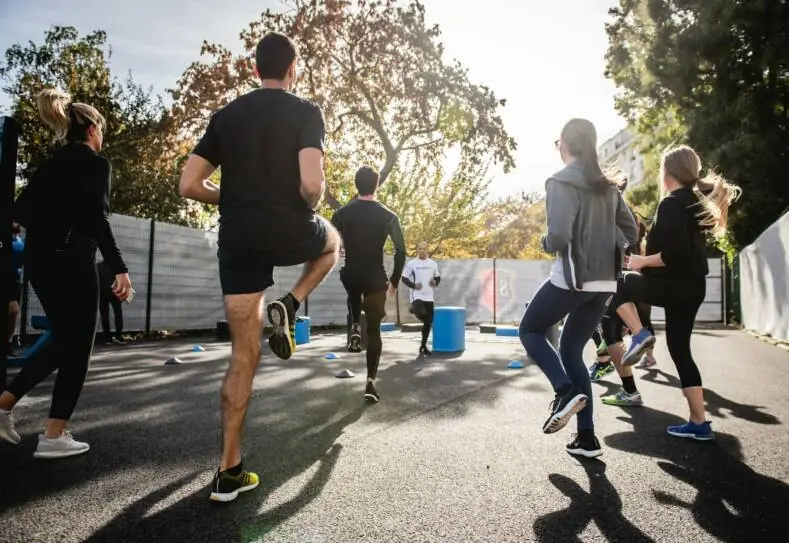
Aerobic dance classes have gained popularity for combining cardiovascular benefits with social interaction. These group activities make exercise more enjoyable while delivering serious health benefits.
Strength training complements cardio work by building muscle mass and increasing bone density. Weight training programs have evolved from bodybuilding-focused regimens to functional fitness approaches that enhance everyday movement patterns.
Modern fitness facilities offer specialized equipment designed for both beginners and advanced lifters. Many people now include both free weights and machine-based exercises in balanced workout routines.
Flexibility and Endurance
Flexibility training has gained recognition as an essential component of comprehensive fitness programs. Yoga, Pilates, and dedicated stretching routines help prevent injuries and improve range of motion.
Regular flexibility work counteracts the negative effects of sedentary lifestyles common in contemporary society. Even brief stretching sessions can reduce stiffness and improve posture.
Endurance activities build stamina and resilience through sustained effort. Long-distance running, cycling, and swimming challenge participants to maintain effort over extended periods.
These activities develop mental toughness alongside physical capability. Endurance sports have seen growing participation across age groups as more people recognize their long-term health benefits.
Recreational Sports and Activities
Lifetime sports offer sustainable physical activity opportunities throughout different life stages. Tennis, golf, and swimming remain popular choices that can be enjoyed from youth through older adulthood.
Team sports like basketball, volleyball, and soccer provide both physical benefits and social connection. These activities develop coordination while fostering community and teamwork.
Swimming stands out as a low-impact option suitable for nearly all fitness levels. Its joint-friendly nature makes it particularly valuable for those with mobility limitations.
Ice hockey and similar high-intensity sports combine cardiovascular conditioning with strength development. Participants benefit from interval-like training patterns that occur naturally during play.
Modern recreational facilities increasingly accommodate diverse activities to meet varied interests and abilities. This inclusive approach helps more people find physical activities they truly enjoy.
Nutrition and Health in Wellness
Nutrition forms the cornerstone of health and wellness practices, providing the essential building blocks for physical fitness and overall wellbeing. Proper dietary habits directly impact energy levels, disease prevention, and long-term health outcomes.
The Role of Diet in Wellness
Nutrition plays a fundamental role in maintaining optimal health and preventing chronic diseases. A balanced diet provides the necessary nutrients for bodily functions and supports physical fitness goals.
Research consistently shows that dietary patterns rich in fruits, vegetables, whole grains, and lean proteins contribute significantly to improved health markers. These foods deliver essential vitamins, minerals, and antioxidants that protect against oxidative stress and inflammation.
Weight management, a key component of wellness, relies heavily on nutritional choices. Creating a sustainable caloric balance through mindful eating proves more effective than restrictive dieting approaches.
The Mediterranean diet exemplifies a nutritional pattern linked to longevity and reduced disease risk. This approach emphasizes:
Plant-based foods
Healthy fats from olive oil and nuts
Limited red meat consumption
Moderate wine intake
Food Science and Nutritional Information
Modern food science has revolutionized our understanding of how nutrients affect health at the cellular level. Advances in nutritional research have identified bioactive compounds like polyphenols, carotenoids, and flavonoids that offer protective benefits beyond basic nutrition.
Food labels and nutritional information have become valuable tools for consumers making informed dietary choices. Understanding macronutrient ratios (proteins, fats, carbohydrates) and micronutrient content enables personalized nutrition planning.
Emerging research in nutrigenomics explores how individual genetic variations affect nutrient metabolism. This personalized approach may transform future dietary recommendations from general guidelines to tailored nutrition plans.
Nutritional timing—when we eat specific foods—also impacts wellness outcomes. Strategic meal timing around physical activity can optimize energy utilization and recovery.
The quality of food sources matters significantly. Whole, minimally processed foods typically provide higher nutritional value than their ultra-processed counterparts, which often contain additives that may negatively impact health.
Challenges and Considerations in Implementing Fitness and Wellness Programs
Implementing effective fitness and wellness programs requires addressing numerous obstacles that can impact participation, sustainability, and outcomes. Organizations must navigate these challenges through strategic planning and inclusive approaches.
Mental Health and Stress Management
Mental health concerns represent a significant challenge in wellness program implementation. Many programs struggle to effectively address psychological well-being alongside physical fitness components.
Stress management interventions often lack personalization, making them less effective for individuals with varying stressors and coping mechanisms. A one-size-fits-all approach rarely accommodates diverse needs.
Integration of mental health resources frequently faces stigma barriers, with participants hesitant to engage due to concerns about workplace perception. This reluctance creates participation gaps.
Data privacy concerns also emerge when tracking mental health metrics, requiring careful handling of sensitive information. Organizations must establish clear protocols for confidentiality.
Programs that successfully balance physical fitness with mental wellness typically offer multiple access points, including digital resources, in-person counseling, and peer support networks.
Chronic Diseases and Health Promotion
Cardiovascular disease, cancer, and other chronic conditions create unique challenges for wellness program design. Effective initiatives must balance preventive measures with support for those already managing health conditions.
Health promotion efforts often struggle with participant engagement, particularly among those at highest risk. Those who could benefit most frequently participate least, creating an implementation paradox.
Medical complexity requires tailored approaches rather than standardized programming. Effective programs incorporate health risk assessments and personalized recommendations.
Substance abuse and addiction present particularly complex challenges. Programs must address these issues sensitively while providing practical support pathways.
Measurement of outcomes related to chronic disease prevention presents methodological difficulties. Long-term health improvements may not manifest during typical program evaluation periods.
Community and Socioeconomic Factors
Socioeconomic disparities significantly impact wellness program access and effectiveness. Lower-income participants often face barriers including transportation limitations, schedule constraints, and resource accessibility.
Community health resources vary dramatically across locations, creating implementation challenges for organizations with multiple sites. Programs must adapt to local contexts while maintaining core objectives.
Cultural factors influence program participation and effectiveness. Initiatives that fail to account for diverse cultural perspectives on health typically experience lower engagement rates.
Physical environment considerations, including personal safety concerns, affect outdoor activity participation. Urban settings may require different approaches than suburban or rural implementations.
Digital divides impact technology-based wellness solutions. Programs relying heavily on apps or online platforms may inadvertently exclude participants with limited technological access or digital literacy.