Boxing workouts blend cardio, strength training, and self-defense skills into one powerful fitness routine. These workouts can help people burn calories, build lean muscle, and boost their endurance through a mix of punching combinations, footwork drills, and conditioning exercises.
A good boxing workout plan includes 45-60 minutes of training with a warm-up, skill practice, conditioning work, and a cool-down period. The warm-up gets muscles ready with jump rope and light movement. The main session focuses on punch techniques, defensive moves, and cardio intervals.
Many people choose boxing workouts because they’re both challenging and fun. The variety keeps exercise interesting, while the intensity leads to real fitness gains. Boxing training can work for anyone, from beginners to advanced athletes, since each person can adjust the speed and power of their movements to match their fitness level.
Essentials of a Boxing Fitness Workout Plan
A boxing fitness plan combines cardio, strength training, and technical skills to build endurance and power. The right mix of these elements creates an effective full-body workout that burns calories and improves athletic performance.
Understanding Boxing Workout Components
Boxing training requires three key elements working together. The first is cardio work through jumping rope, shadowboxing, and bag work. These build stamina and improve footwork.
Strength training makes up the second component. Push-ups, squats, and resistance band exercises develop the muscles needed for powerful punches.
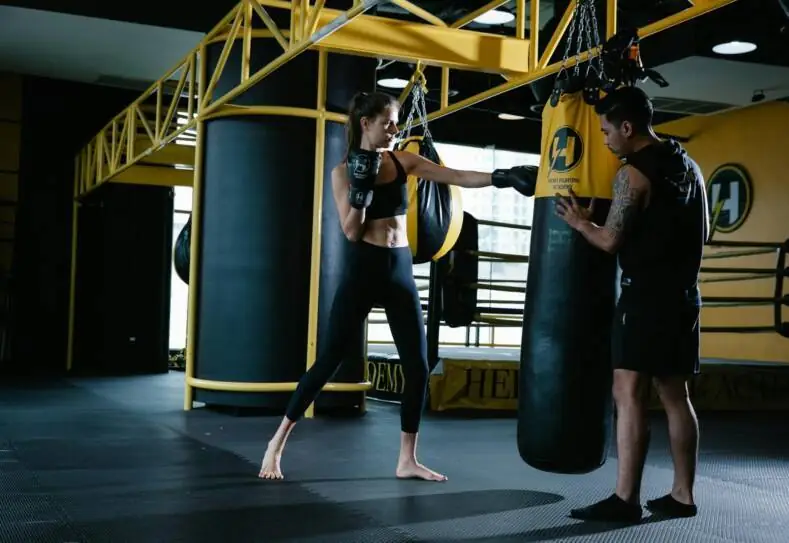
The third element focuses on technical drills. This includes practicing proper form for jabs, hooks, and combinations on a heavy bag or with a partner.
Establishing a Routine
A basic boxing workout should happen 3-4 times per week. Each session needs to start with a 10-minute warm-up of light jogging or jump rope.
The main workout includes:
3 rounds of shadowboxing (3 minutes each)
4 rounds on the heavy bag
2 rounds of focus mitt work
Core exercises between rounds
Rest periods between rounds should last 60 seconds. This timing matches real boxing matches and helps build fight-specific endurance.
Beginners should start with shorter rounds of 2 minutes and gradually work up to the standard 3-minute rounds.
Technical Skills and Drills
Boxing skills require precise movements and consistent practice to develop effective fighting techniques. Proper form creates the foundation for both offensive and defensive abilities in the ring.
Mastering Boxing Stance and Footwork
The basic boxing stance starts with feet shoulder-width apart, with the lead foot pointed forward and back foot at a 45-degree angle. Knees should stay slightly bent for quick movement.
Boxers must keep their weight balanced between both feet, ready to move in any direction. The lead foot should never cross over the back foot when moving.
Key Footwork Drills:
Pivot drills around a fixed point
Forward and backward step practice
Lateral movement exercises
Quick direction changes
Punching Techniques: Jab, Cross, Hook, and Uppercut
The jab is a quick, straight punch with the lead hand that sets up other combinations. Keep the elbow tucked and snap the punch straight out.
The cross follows the jab, throwing power from the back hand while rotating the hips and shoulders. This creates a strong straight punch.
Basic Punch Combinations:
Jab-Cross
Jab-Cross-Hook
Double Jab-Cross
Hook-Cross-Hook
Defensive Maneuvers and Counterattacks
Head movement forms the base of boxing defense. Slip left and right to avoid straight punches while staying in position to counter.
The peek-a-boo guard protects the face with gloves held high, elbows tucked to protect the body. This position allows quick blocks and parries.
Essential Defense Skills:
Slip and roll movements
Parrying incoming punches
Blocking body shots
Step-back counters
Practice these moves on a punching bag to build muscle memory. Start slowly to perfect form before adding speed.
Conditioning and Strength Exercises
Boxing demands a mix of explosive power, muscular endurance, and cardiovascular fitness. These exercises build the strength and stamina needed for peak performance in the ring.
High-Intensity Interval Training (HIIT)
HIIT workouts boost boxing endurance through short bursts of intense exercise followed by brief rest periods. A basic HIIT routine includes 30 seconds of sprints followed by 30 seconds of walking, repeated 8 times.
Tabata intervals work well for boxing conditioning. Athletes perform exercises like burpees or mountain climbers for 20 seconds at maximum effort, rest for 10 seconds, and repeat 8 times.
These workouts improve recovery time between rounds and build the explosive energy needed for combinations.
Core and Lower Body Workouts
Strong legs and core muscles create a solid foundation for powerful punches. Basic exercises include:
Squats: 3 sets of 12-15 reps
Forward lunges: 3 sets of 10 reps per leg
Planks: 3 sets of 45-60 seconds
Russian twists: 3 sets of 20 reps
Boxers should focus on proper form during each exercise to prevent injury and maximize results.
Upper Body and Punching Power Development
Building punching power requires a mix of strength and explosive movements. Key exercises:
Strength Builders:
Push-ups: 3 sets to failure
Dumbbell rows: 4 sets of 10-12 reps
Medicine ball slams: 3 sets of 12 reps
Power Development:
Speed bag work: 3 rounds of 3 minutes
Heavy bag combinations: 5 rounds of 2 minutes
Shadow boxing with light weights: 3 rounds of 2 minutes
Rest periods between sets should stay short, around 30-45 seconds, to build muscular endurance.
Cardiovascular Endurance and Speed Training
Cardio fitness and quick movements form the foundation of boxing performance. High-intensity training builds the stamina needed to maintain power through every round.
Running and Sprint Workouts
Road work serves as a key training element for boxers. Start with 20-30 minutes of steady jogging 3 times per week to build base endurance.
Mix in interval training by alternating between 30-second sprints and 60-second light jogs. Aim for 8-10 sprint intervals per session.
Hill sprints add extra intensity and leg power. Find a moderate incline and sprint uphill for 20-30 seconds, then walk back down. Complete 6-8 repetitions.
Jump Rope and Agility Drills
Jump rope training improves coordination and footwork. Start with basic bounces for 3-minute rounds, similar to boxing rounds. Take 1-minute rest periods between rounds.
Add variety with these key jump rope moves:
Alternating feet
High knees
Double unders
Side-to-side jumps
Ladder drills enhance quick feet and agility. Practice these patterns:
Forward runs
Lateral steps
In-and-out hops
High knee runs
Mix agility cones into training with figure-8 patterns and quick direction changes. Complete 30-second intervals with 30 seconds rest.
Nutrition and Recovery for Boxers
Proper nutrition fuels intense training sessions while strategic recovery keeps boxers performing at their peak. Smart food choices and rest periods work together to build strength, speed, and endurance in the ring.
Dietary Guidelines for Optimal Performance
A boxer needs 3-4 balanced meals each day with plenty of lean protein, complex carbs, and healthy fats.
Protein sources like chicken, fish, eggs and lean beef help repair muscles after training. Aim for 1.6-2.0 grams of protein per kilogram of body weight.
Complex carbs from oats, sweet potatoes, and brown rice provide sustained energy for long training sessions. These should make up 55-60% of total calories.
Pre-workout meals should be light and easily digestible:
Oatmeal with banana
Whole grain toast with eggs
Greek yogurt with berries
Post-workout nutrition is crucial for recovery:
Protein shake within 30 minutes
Balanced meal within 2 hours
Extra carbs to replenish glycogen
Rest and Recovery Strategies
Quality sleep is essential – aim for 7-9 hours per night to support muscle repair and hormone balance.
Active recovery between training sessions helps prevent burnout:
Light jogging or swimming
Gentle stretching
Foam rolling tight muscles
Rest days are mandatory, not optional. Schedule 1-2 full rest days per week with no training.
Ice baths or contrast therapy can reduce inflammation after intense workouts. Limit sessions to 10-15 minutes.
Massage therapy every 2-3 weeks helps prevent injuries and speeds recovery between fights.
Equipment and Safety
Proper boxing equipment and safety measures protect athletes from injury while maximizing workout effectiveness. The right gear lets boxers train with confidence and focus on improving their skills.
Selecting the Right Boxing Gear
Boxing gloves are the most essential piece of equipment. 12-16 oz gloves work best for beginners, offering good protection during bag work and sparring. Hand wraps must be worn under gloves to support wrists and knuckles.
A quality punching bag serves as the primary training tool. Heavy bags (70-100 lbs) build power and technique, while speed bags improve timing and hand-eye coordination.
Jump ropes help develop footwork and cardio endurance. Choose a rope that reaches your armpits when folded in half.
Importance of Protective Equipment
A properly fitted mouthguard prevents dental injuries during sparring sessions. Custom-fit options provide the best protection and comfort.
Headgear reduces impact during sparring and training. Look for models with good visibility and padding around critical areas.
Groin protection and chest guards are mandatory for sparring. These items prevent serious injury from accidental strikes.
Training shoes with good ankle support help prevent slips and falls. Boxing-specific shoes offer better grip and stability during footwork drills.
Always inspect gear for wear and replace damaged items promptly. Clean equipment after each use to maintain hygiene and extend its lifespan.
Related Posts:
Boxing Fitness Components Boxing isn't just about throwing punches; it's a demanding sport requiring a…