Knee pain is a common challenge that many bodybuilders face during their fitness journey. While weight training exercises like squats and deadlifts are essential for building muscle mass, they also place significant stress on the knee joints, potentially leading to discomfort or injury. Understanding the causes of knee pain and implementing proper prevention strategies allows bodybuilders to continue training effectively while protecting their joint health.
Bodybuilding-related knee issues can stem from various sources including overtraining, poor form, inadequate recovery, or underlying conditions like tendinitis and meniscal tears. Many dedicated lifters make the mistake of pushing through pain rather than addressing it properly, which often leads to more severe injuries and longer recovery periods.
The good news is that experiencing knee pain doesn’t mean the end of your bodybuilding career. By incorporating strategic approaches like temporary activity modification, implementing targeted strengthening exercises for the quadriceps and posterior chain, and improving joint mobility, bodybuilders can overcome knee pain challenges. Proper warm-up protocols, post-workout recovery methods like icing, and occasionally modifying exercise selection can help maintain progress while allowing the knees to heal.
Understanding Knee Pain in Bodybuilding
Knee pain represents one of the most common issues faced by bodybuilders during their training journey. The complex structure of the knee joint, combined with the heavy loads typical in bodybuilding exercises, creates unique challenges for athletes looking to build their physique while maintaining joint health.
Anatomy and Function of the Knee
The knee serves as one of the body’s largest and most complex joints. It consists of the femur (thigh bone), tibia (shin bone), and patella (kneecap), all surrounded by a network of ligaments, tendons, and cartilage. These components work together to provide stability and mobility during movement.
Four major ligaments—the anterior cruciate ligament (ACL), posterior cruciate ligament (PCL), medial collateral ligament (MCL), and lateral collateral ligament (LCL)—provide crucial support. The menisci, C-shaped pieces of cartilage, act as shock absorbers between the femur and tibia.
During bodybuilding exercises like squats and leg extensions, these structures endure significant pressure. The quadriceps muscles attach to the patella via the quadriceps tendon, transmitting force across the joint during movements. This mechanical arrangement creates potential stress points that bodybuilders must manage effectively.
Common Causes of Knee Pain in Athletes
Overtraining frequently leads to knee injuries among bodybuilders. Excessive volume or intensity without adequate recovery time prevents tissues from healing properly. This can result in chronic inflammation and pain, particularly in the patellar tendon.
Poor form during exercises like squats and lunges places abnormal stress on knee structures. Common errors include allowing knees to cave inward or extending them beyond the toes, creating shearing forces that damage cartilage and irritate tendons.
Iliotibial band syndrome (ITB) affects many bodybuilders, especially those incorporating cardio into their routines. This painful condition occurs when the IT band—a thick band of tissue running from hip to knee—becomes inflamed and rubs against the knee joint.
Muscle imbalances, particularly between quadriceps and hamstrings, alter knee mechanics and create painful movement patterns. Strong quads with weak hamstrings pull the patella upward, potentially causing tracking issues and discomfort during exercises.
Prevention Strategies for Knee Pain
Preventing knee pain while bodybuilding requires a multifaceted approach combining proper training techniques, adequate preparation, and targeted exercises. These strategies not only protect your knees during intense workouts but also contribute to long-term joint health.
Warm-up and Cool-down Routines
A proper warm-up is essential for preparing the knee joints for the stress of bodybuilding. Start with 5-10 minutes of light cardio such as stationary cycling or elliptical training to increase blood flow to the muscles and joints.
Dynamic stretching movements like leg swings, walking lunges, and knee circles help mobilize the joints without overstretching cold muscles. These prepare the connective tissues for the work ahead.
Essential Warm-up Components:
Light cardio (5-10 minutes)
Dynamic stretching (8-10 minutes)
Joint mobility exercises
Progressively heavier warm-up sets before main lifts
Cool-down routines should include static stretching for the quadriceps, hamstrings, and calves. Hold each stretch for 20-30 seconds without bouncing. Using compression sleeves during cool-down can help reduce inflammation and support recovery.
Strength Training for Knee Support
Building strength in the muscles surrounding the knee creates a natural support system. Focus on developing balanced strength between the quadriceps and hamstrings to prevent imbalances that can lead to knee pain.
Key Support Exercises:
Glute bridges and hip thrusts
Clamshells and side-lying leg raises
Romanian deadlifts
Terminal knee extensions
Include exercises that target the often-neglected vastus medialis oblique (VMO), which plays a crucial role in knee stability. Wall sits and step-ups with proper form directly engage this muscle.
Incorporate unilateral (single-leg) training such as Bulgarian split squats to address strength imbalances between legs. This builds proprioception and stability that protect the knees during heavier compound movements.
Proper Bodybuilding Techniques
Correct form is paramount for knee protection during bodybuilding. When performing squats, ensure your knees track in line with your toes and don’t collapse inward.
Maintain appropriate depth in squats and leg presses—going too deep can place excessive stress on the knee joint. For most bodybuilders, stopping when thighs are parallel to the floor provides sufficient muscle stimulation with reduced joint strain.
Form Checklist for Knee Safety:
Maintain neutral spine position
Distribute weight through the entire foot
Keep knees aligned with toes
Control movement speed (especially eccentrics)
Build your mind-muscle connection by focusing on the working muscles rather than just moving weight. This consciousness helps avoid compensation patterns that place undue stress on the knees.
Use appropriate footwear with proper support and consider knee sleeves for compression during heavy training sessions. This external support can help maintain joint warmth and provide proprioceptive feedback for better form.
Treatment and Recovery for Knee Pain
Addressing knee pain effectively requires a multi-faceted approach that combines immediate pain management with progressive rehabilitation. The right strategies can help bodybuilders return to training while building resilience against future injuries.
Initial Pain Management
When knee pain first occurs, the RICE method (Rest, Ice, Compression, Elevation) should be implemented immediately. This approach helps reduce inflammation and prevent further damage to the affected area.
Rest involves temporarily modifying or reducing activities that cause pain. This doesn’t mean complete inactivity – just avoiding movements that aggravate the knee.
Over-the-counter anti-inflammatory medications like ibuprofen can provide short-term relief, but shouldn’t be relied upon long-term.
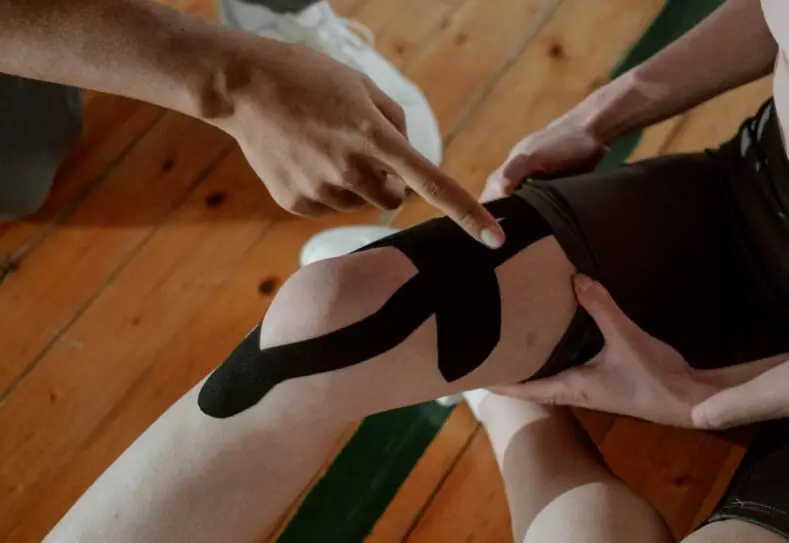
Some bodybuilders find relief using supportive devices such as knee sleeves or wraps during this phase. These provide compression and warmth while offering mild stability.
A few weeks away from pain-inducing exercises allows the knee to heal while you focus on other training areas that don’t stress the joint.
Rehabilitative Exercises
Rehabilitative exercises focus on restoring mobility and building strength in the muscles supporting the knee. Start with isometric exercises that contract muscles without moving the joint.
Key Rehabilitative Exercises:
Calf raises
Hip thrusts and glute bridges
Straight leg raises
Wall sits
Hamstring curls
Begin with bodyweight versions before adding resistance. Perform these exercises with perfect form, focusing on muscle engagement rather than weight lifted.
Stretching tight muscles around the knee is equally important. The quadriceps, hamstrings, and calf muscles often need targeted flexibility work.
Gradually reintroduce modified versions of compound movements. Box squats with limited range of motion can help regain confidence while maintaining proper biomechanics.
Advanced Recovery Techniques
Once basic mobility and strength return, advanced recovery techniques can accelerate healing and prevent recurrence. Physical therapy with a sports specialist offers personalized guidance and targeted interventions.
Effective Advanced Techniques:
Blood flow restriction training (BFR) – allows strength development with lighter loads
Soft tissue mobilization – breaks down scar tissue and improves circulation
Proprioceptive training – improves balance and joint awareness
Modern recovery tools like percussion massagers and compression boots can enhance circulation and reduce pain between workouts.
Consider incorporating knee-friendly exercises permanently into your routine. Movement patterns that strengthen the knee without excessive stress should become maintenance staples.
Track your progress using a health kit app or training journal to identify patterns in pain triggers and improvement markers.
Incorporating Technology and Resources
Technology has revolutionized how bodybuilders manage knee pain through specialized tracking, personalized exercise programs, and recovery monitoring. Modern digital solutions provide data-driven approaches to prevent injuries and optimize training while working around knee limitations.
Apps and Digital Tools for Workout Planning
Several smartphone applications now offer specialized workout programs designed specifically for bodybuilders with knee pain. Apps featuring 1000+ workouts often include knee-friendly exercise alternatives and modifications that maintain muscle development while reducing joint stress.
Many applications integrate with Health Kit on iOS devices, allowing users to track pain levels alongside workout data. This integration helps identify patterns between specific exercises and knee pain flare-ups.
Some standout applications provide video demonstrations of proper form, which is critical for preventing knee injuries. These tools often include progressive programs that gradually increase intensity as knee health improves.
Bodybuilders can benefit from apps that offer periodization planning, helping them schedule high-intensity training when knee pain is minimal and recovery sessions when symptoms increase.
Wearable Fitness Devices for Tracking Recovery
Wearable technology like the Apple Watch provides valuable metrics for bodybuilders managing knee pain, including heart rate variability that indicates recovery status. Higher variability often signals better recovery, informing decisions about training intensity.
Smart compression sleeves with embedded sensors can monitor knee movement patterns and temperature changes during workouts. These devices alert users to potential issues before pain develops.
Sleep tracking features on wearables help bodybuilders assess recovery quality, as inadequate sleep significantly impacts knee healing and inflammation levels. The data helps optimize rest periods between training sessions.
Many devices now track daily movement patterns outside gym sessions, providing insight into how everyday activities affect knee health. This comprehensive monitoring helps bodybuilders make informed lifestyle adjustments that support knee recovery.
Building a Supportive Community
Navigating knee pain while bodybuilding becomes more manageable with the right support network. Having people who understand your challenges and can provide encouragement makes a significant difference in maintaining consistency and proper form.
Engaging with Online Fitness Groups
Online communities offer valuable resources for bodybuilders dealing with knee pain. Forums, social media groups, and fitness platforms connect individuals with similar experiences who can share effective knee-friendly exercises and recovery techniques.
Many experienced lifters in these communities have overcome knee issues themselves and can provide practical advice about form adjustments and alternative movements. The search results suggest proportional lifting and focusing equally on hamstrings and quads as common recommendations from these groups.
Look for communities that emphasize evidence-based approaches rather than quick fixes. Quality forums typically have moderators who help filter out potentially harmful advice and promote scientifically sound training principles.
Finding a Training Partner or ‘Swolemate’
A dedicated training partner who understands knee limitations can transform your bodybuilding journey. They can provide immediate feedback on exercise form, which is crucial for preventing further knee damage.
The ideal swolemate will:
Help monitor your technique during exercises
Provide motivation on difficult days
Assist with spotting during challenging sets
Understand when to push and when to suggest rest
Partners can also introduce new knee-friendly exercises they’ve found successful. This collaborative approach creates accountability while ensuring safety remains the priority.
Many gyms offer partner-matching services, or you can connect with potential training partners through fitness classes that accommodate knee limitations, such as modified strength training or aquatic workouts.