Many people see bodybuilding as a path to health, but the reality is more complicated. Bodybuilding can actually lead to health problems, both physically and mentally, instead of promoting true healthy living. It can involve extreme diets, tough training routines, and sometimes risky supplements or substances that may hurt the body over time.
Some bodybuilders focus so much on muscle size and appearance that they ignore the potential effects on their mental health and well-being. Strict rules around food and constant pressure to look a certain way can also bring stress and even lead to unhealthy habits.
Key Takeaways
Bodybuilding can cause physical health risks from extreme training and strict diets.
It may affect mental health and body image in negative ways.
Healthier fitness options are available for those who want strong bodies without risks.
Physical Health Risks of Bodybuilding
Bodybuilding can put significant stress on the body. Intense routines, extreme diets, and the use of supplements or steroids can raise certain health risks.
Injury Risks in Weight Lifting
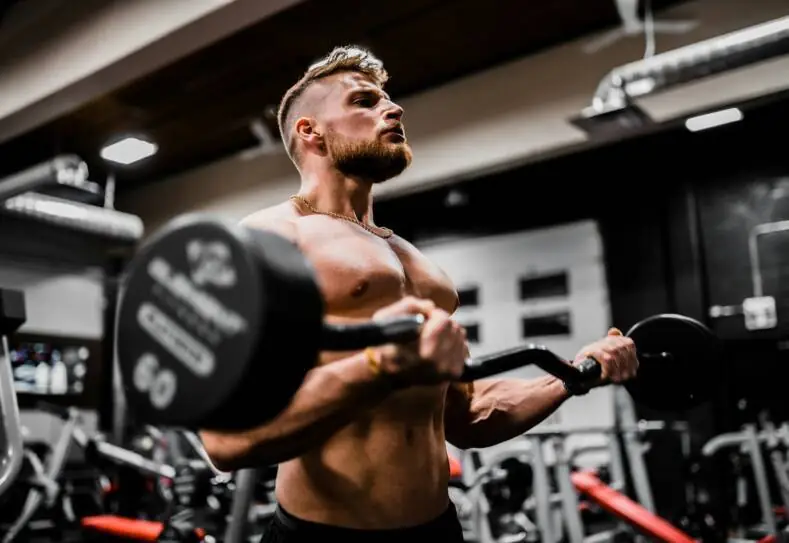
Weight lifting is a core part of bodybuilding and often involves heavy loads on muscle groups. Exercises like the deadlift and bench press put extra pressure on joints, tendons, and muscle fibers. This increases the risk of strains, tears, and overuse injuries.
Common injuries in bodybuilding include:
Muscle strains
Tendon ruptures
Lower back pain
Shoulder impingement
Lifting heavier weights to gain muscle mass can lead to accidents, especially if someone uses poor form or skips warm-ups. Fast progress and lack of proper technique also raise the chance of injuries.
Recovery time for muscle and tendon injuries can be long, and repeated stress may cause long-term joint problems. Some individuals develop chronic pain that can interfere with everyday movement.
Negative Effects on Cardiovascular Health
Extreme bodybuilding, especially at the competitive level, can affect cardiovascular health. Rapid weight changes, very low body fat, and dehydration before competitions put extra pressure on the heart.
Use of anabolic steroids is common among some bodybuilders aiming to increase muscle mass. These drugs can:
Increase blood pressure
Raise cholesterol levels
Lead to heart enlargement
Over time, these changes increase the risk of heart attacks and stroke. Some studies link bodybuilding supplement misuse and steroid use to early heart disease.
Dehydration and electrolyte imbalances during cutting phases also make irregular heart rhythms more likely. This can be dangerous and sometimes life-threatening if not managed.
Hormonal Imbalance and Testosterone Issues
Some bodybuilders use anabolic steroids or other hormone-enhancing drugs to build muscle faster. This disrupts the natural hormone balance, especially testosterone production.
Effects of hormonal imbalance include:
Reduced natural testosterone
Shrinking of testicles
Infertility
Gynecomastia (development of breast tissue in men)
Mood swings and aggression
When the body receives extra testosterone from outside sources, it slows or stops its own production. After coming off steroids, some people have trouble returning to normal hormone levels.
Women who use hormones to gain muscle mass may develop deeper voices, excess body hair, and changes in menstrual cycles. Hormonal changes can also raise the risk of certain diseases, like liver disorders and depression.
Mental Health and Body Image Concerns
Bodybuilding can greatly impact mental health. Concerns often center around how individuals see their bodies and the mental stress that comes from trying to meet certain physical standards.
Psychological Impact of Body Image Pressures
Many in the fitness community face constant pressure to look extremely lean and muscular. This pressure can push some people to focus too much on their appearance, leading to low self-esteem and body dissatisfaction.
Muscle dysmorphia is common among bodybuilders and is marked by a preoccupation with not being muscular enough. People with this condition may experience anxiety, depression, and isolation from others.
Social media and community standards often set unrealistic expectations, making the problem worse. Boys and men, in particular, are increasingly affected, feeling that they must build their mind and body to fit narrow ideals.
Some may start to avoid social events or use dangerous shortcuts to change their bodies. This can make mental health problems more severe over time.
Prevalence of Eating Disorders Among Bodybuilders
Eating disorders, such as bulimia and anorexia, affect bodybuilders at higher rates than the general population. These disorders are often linked to strict dieting, overtraining, and extreme measures to reduce body fat or increase muscle mass.
Many male bodybuilders face both disordered eating behaviors and body image issues. Studies have found that body dissatisfaction and muscle dysmorphia can lead directly to eating disorder symptoms.
Some signs include constant calorie counting, skipping meals, or using supplements in harmful ways. These behaviors harm both mental and physical health.
Eating disorders in the bodybuilding community can be hard to spot because unhealthy habits are often seen as normal training routines. This makes it difficult for people to get the help they need.
Nutritional Imbalances and Supplementation Risks
Bodybuilding strategies often involve strict diets and the use of supplements, which can affect health in several ways. Many practices aim to boost muscle hypertrophy and protein synthesis, but can also lead to side effects and long-term risks.
Protein and Nutrition Misconceptions
Some bodybuilders believe eating very high amounts of protein is necessary for muscle growth. However, research shows that extremely high-protein diets do not always lead to greater muscle hypertrophy or faster protein synthesis. Extra protein beyond what the body needs is not stored for muscles; instead, it is broken down and removed as waste.
Eating large amounts of protein can also push out other important foods from the diet. For example, people may eat less fiber, fruits, or vegetables. While healthy individuals do not usually develop kidney problems from high protein, extreme intakes for long periods might increase stress on the kidneys or cause dehydration.
Nutritional variety is important for building muscle and staying healthy. Focusing only on protein can cause people to miss key nutrients needed for recovery, hormone balance, and immune function.
Dangers of Performance-Enhancing Supplements
Supplements are often used to support energy or muscle growth. Some are safe and tested, like protein powder or creatine. But many bodybuilding products sold online or in gyms may contain risky substances.
Certain supplements may include banned or unsafe ingredients, such as anabolic steroids or steroid-like chemicals. These can cause hormonal imbalances, liver or heart strain, and mood changes. The FDA has found illegal or unlisted substances in some products.
Key risks include:
Unregulated ingredients
Hormonal disruption (testosterone changes)
Organ stress (liver, kidney, heart)
Unknown long-term health impacts
People should check for third-party testing and avoid products with unclear ingredient lists.
Bulking and Cutting Diet Effects
Bulking is when bodybuilders eat a calorie surplus to gain muscle mass. Cutting follows, using calorie restriction to lose body fat while keeping muscle. These cycles can be harsh on the body if repeated often or done without medical guidance.
Bulking diets often lead to rapid weight gain, including both muscle and fat. Eating large amounts of food, especially sugary or fatty foods, can raise cholesterol and blood pressure.
Cutting diets tend to be very low in calories and can lack nutrients. Low calorie intake may reduce energy, weaken the immune system, and cause mood swings. Constant cycles of bulking and cutting can also disrupt hormone levels, slow metabolism, and hurt long-term health.
A balanced approach to diet, with slow and steady changes, reduces risks connected to bodybuilding nutrition routines.
Impact of Extreme Training Practices
Bodybuilding routines often push the body to its limits. Extreme training can lead to physical and mental stress that may outweigh positive effects.
Overtraining and Recovery Issues
Overtraining happens when a person does not allow enough rest between workouts. This can impact muscle growth, causing strength to stagnate or even decrease. Muscles need time to recover and repair, and skipping rest is common among those who push too hard.
Signs of overtraining include constant fatigue, trouble sleeping, and frequent injuries. Hormone imbalances may also develop, such as changes in cortisol and testosterone levels. Poor sleep adds to these problems, slowing recovery even further.
A structured workout plan that includes rest days is important. Ignoring these basics can result in longer recovery times and a higher risk of injury. Forcing the body to work without proper breaks ultimately makes it harder to reach fitness goals.
Compulsive Exercise and Burnout
Some people become obsessed with sticking to their workout plan, no matter how their bodies feel. This behavior, called compulsive exercise, leads to mental and physical burnout. The drive to exercise can override natural signals like pain and exhaustion.
Burnout may show up as constant aches, lack of motivation, and mood changes. Athletes might skip social events or sacrifice sleep to fit in extra workouts. This disrupts both physical health and daily life.
Compulsive behavior also increases the risk of overuse injuries. Without taking breaks, joints and muscles do not heal properly, making injuries worse over time. A balanced training routine helps reduce the risk of burnout and supports overall health.
Navigating Healthy Fitness Alternatives
For people who want to improve their bodies and lives, there are several safe ways to get fit without risking their health. Focusing on well-rounded routines, proper rest, and broad lifestyle habits can help support both physical and mental well-being.
Balanced Strength Training
Balanced strength training works all the major muscle groups instead of only targeting a few. This helps prevent injuries and promotes even muscle growth. Using a mix of free weights, resistance bands, and bodyweight exercises can make a routine safer and more interesting.
A typical plan might include:
Push movements (like push-ups or bench press)
Pull movements (like rows or pull-ups)
Leg exercises (like squats or lunges)
Core activities (like planks)
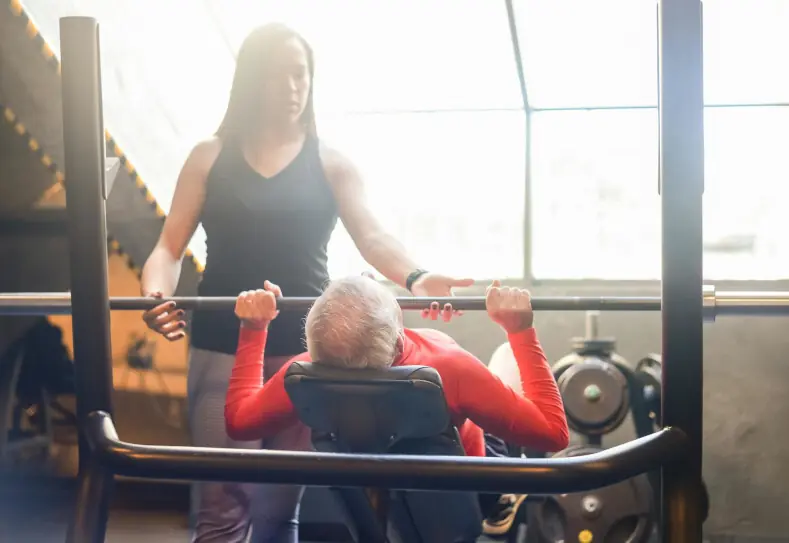
Master coaches and personalized programming are valuable for setting realistic goals and tracking progress. They help people stay motivated while making sure the routine matches their fitness level and health needs. Tracking progress with simple tools or fitness apps can provide clear feedback and keep efforts on target.
Importance of Rest and Sleep
Rest days and quality sleep are critical for healthy living. Muscles grow and repair during rest—not while working out. Skipping rest can lead to injuries, fatigue, and even illness.
Getting seven to nine hours of sleep helps the body recover and the mind focus. Scheduling at least one full rest day each week prevents overtraining and keeps people motivated. Signs of not enough rest can include soreness, trouble sleeping, and drop in performance.
To support recovery:
Stretch after workouts
Try gentle activities like walking or yoga on rest days
Avoid using caffeine late in the day
Protecting sleep and building rest into personal routines is a key part of long-term fitness and well-being.
Holistic Approaches to Fitness and Lifestyle
Healthy fitness goes beyond exercise. Holistic approaches focus on nutrition, stress management, and social support as part of building a better life. Eating a balanced diet with plenty of whole foods gives energy for workouts and supports muscle recovery.
Tracking hydration, mood, and energy changes can help people see what works best for them. Master coaches often help with setting up lifestyle habits, not just workouts. They can recommend goal tracking for sleep, food, activity, and stress.
Other helpful habits include:
Meditating or practicing deep breathing to handle stress
Spending time outdoors for mental health
Connecting with a supportive fitness community
Focusing on all parts of life, not just gym workouts, creates stronger health for both mind and body.
Frequently Asked Questions
Bodybuilding can affect the body in different ways, depending on methods used and individual health. Some risks are linked to steroid use, while others appear in people who follow strict diets or exercise routines.
Can bodybuilding have long-term health implications?
Yes, bodybuilding can cause long-term health issues. People who train intensely for years may experience joint damage, muscle tears, or hormone problems. Using performance-enhancing drugs adds risks like liver and kidney damage.
What are the cardiovascular risks associated with bodybuilding?
Bodybuilding can strain the heart, especially when steroids or supplements are involved. Some bodybuilders face high blood pressure, abnormal heart rhythms, or heart enlargement. These conditions may increase the chance of heart attack or stroke.
How does bodybuilding affect women’s health specifically?
Women who bodybuild may disrupt their natural hormone balance. Intense training and low body fat can stop menstrual periods. Some develop problems with bone density or experience unwanted changes from steroid use, such as deeper voice or increased body hair.
Are there any negative side effects from natural bodybuilding?
Even without drugs, natural bodybuilding can have side effects. These include overuse injuries, joint pain, and mental stress from strict diets. Some people experience mood swings or eating disorders while trying to stay lean.
How do the health outcomes differ between steroid-using and natural bodybuilders?
Steroid-using bodybuilders face higher risks of liver, kidney, and heart damage, as well as hormonal imbalances. Natural bodybuilders usually face fewer health issues, but joint pain and overtraining can still be a problem. The risks are often more severe and long-lasting with steroid use.
What common health issues do bodybuilders face later in life?
Older bodybuilders may have arthritis, lower back pain, or damaged joints from years of heavy lifting. If they used steroids, they might also have heart or liver problems. Some face ongoing hormone issues or need medical treatment for previous injuries.
Related Posts:
Bodybuilding Bubble Gut In the world of competitive bodybuilding, the appearance and conditioning of an…