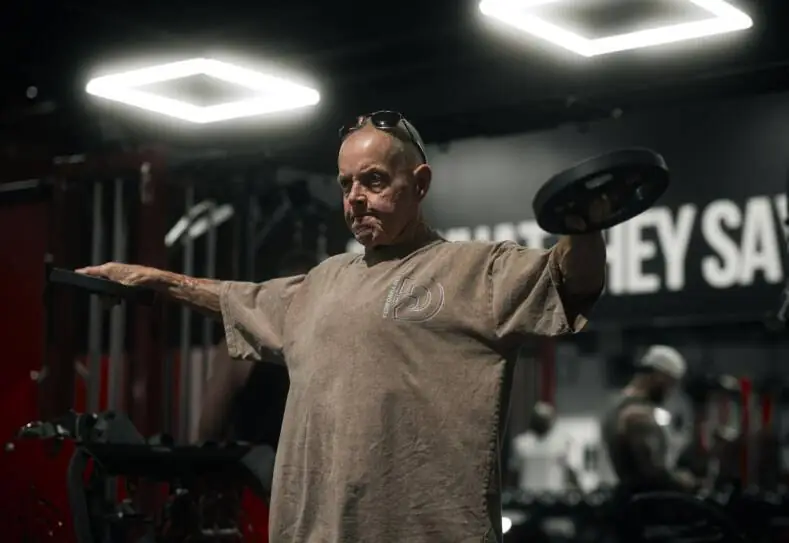
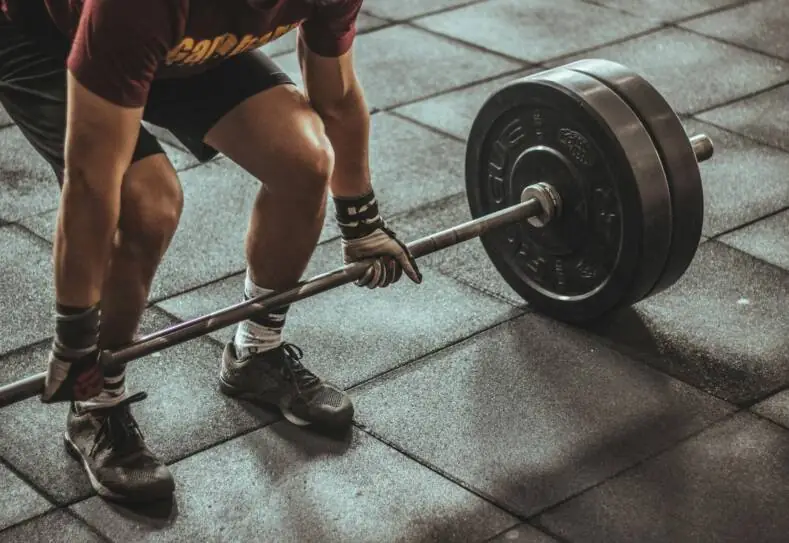
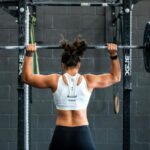
Many people think bodybuilding in your 60s is impossible, but research shows this couldn’t be further from the truth. Adding muscle and increasing bone mass is still very possible at this age with the right approach to resistance training. Seniors can engage in compound exercises like deadlifts and squats, gradually building strength while improving overall physical function.
Bodybuilding in your 60s isn’t just about physical transformation—it’s a holistic journey that benefits mind and body alike. Regular strength training helps maintain cognitive function and releases mood-enhancing endorphins, creating a positive feedback loop between physical and mental wellbeing. This connection between building your body and building your mind becomes increasingly important as we age.
The path to building muscle after 60 requires balance and patience. Starting with proper form and appropriate weight loads allows seniors to establish a foundation for growth while minimizing injury risk. A consistent routine combined with adequate nutrition and recovery creates sustainable progress that extends beyond physical appearance to enhance quality of life and independence.
Understanding the Aging Body
The human body undergoes significant physiological changes with age that directly impact physical performance and muscle development. These changes affect both muscle mass and functional abilities, requiring strategic adaptations to strength training approaches.
Changes in Muscle Mass
Sarcopenia, the age-related loss of muscle mass and strength, begins around age 30 with acceleration after 60. Research shows adults typically lose 3-8% of muscle mass per decade after 30, with the rate increasing to about 10% after 70. This decline stems from reduced hormone production, particularly testosterone and growth hormone.
Muscle fibers not only decrease in quantity but also in quality. Fast-twitch muscle fibers, responsible for power and explosive movements, diminish more rapidly than slow-twitch fibers. This explains why power and rapid strength movements become more challenging with age.
Metabolic changes further compound this issue. Aging bodies typically experience decreased insulin sensitivity and mitochondrial function, affecting how efficiently muscles use nutrients for growth and repair.
Importance of Balance and Flexibility
Balance deteriorates with age due to changes in the vestibular system and proprioception (the body’s awareness of position). Studies show that approximately 30% of adults over 65 experience falls annually, with balance issues being a primary contributor.
Regular flexibility work helps maintain joint range of motion, which naturally decreases by about 20-30% between ages 30 and 70. This reduction significantly impacts everyday movements and exercise performance.
Balance and flexibility training creates a foundation for safe strength development. Activities like yoga, tai chi, and simple standing balance exercises have been shown to reduce fall risk by up to 40% in older adults when practiced consistently.
These elements must be integrated with strength training rather than viewed as separate components. A comprehensive approach that addresses balance, flexibility, and strength creates the optimal environment for building and maintaining muscle at 60+.
Creating Your Workout Strategy
A well-designed workout plan is essential for muscle building at 60+. The right approach considers your current fitness level, health conditions, and goals to ensure safe, effective progress.
Tailoring a Workout to Your Needs
Individuals in their 60s should begin with a fitness assessment to establish a baseline. This helps identify strengths, weaknesses, and any limitations that might affect training.
Start with 2-3 sessions per week, allowing 48 hours between workouts for proper recovery. This schedule provides adequate stimulus for muscle growth while preventing overtraining.
Focus on compound exercises that work multiple muscle groups simultaneously. Movements like squats, chest presses, and rows deliver maximum results with minimal time investment.
Consider your energy levels when scheduling workouts. Many people find morning sessions beneficial as energy is typically higher earlier in the day.
Track progress through measurements, photos, or workout logs to maintain motivation and make necessary adjustments to the program.
The Role of a Personal Trainer
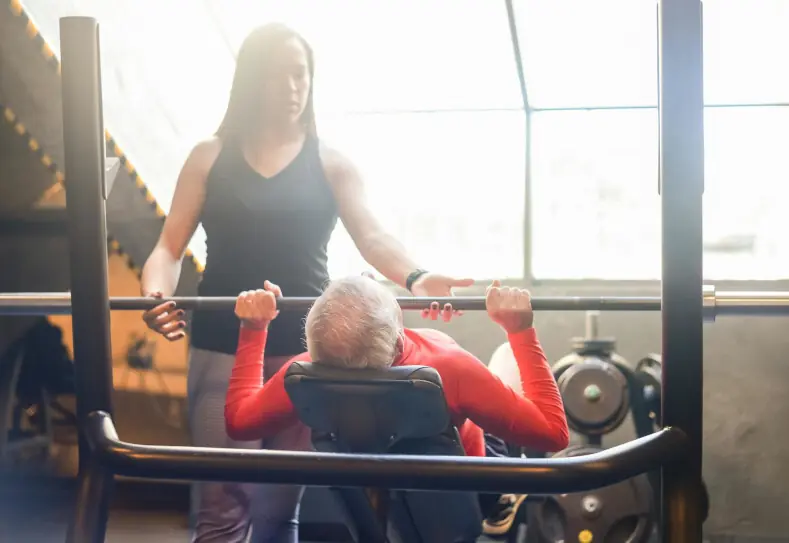
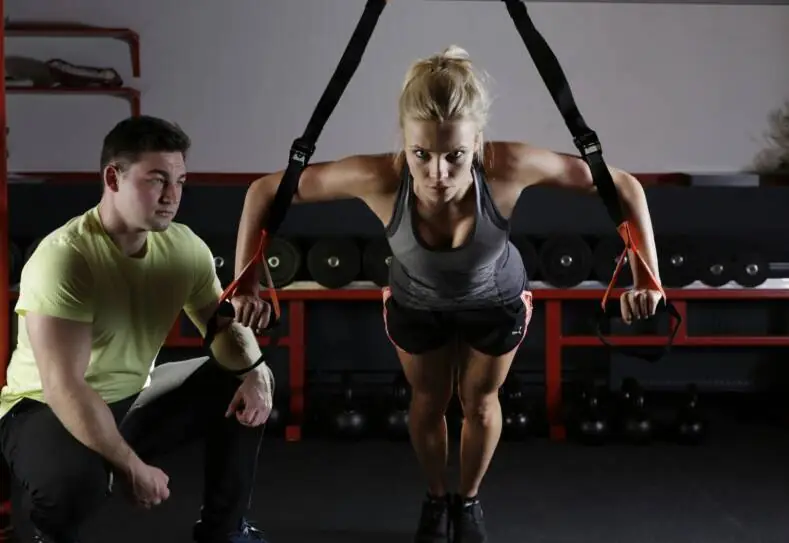
A qualified personal trainer can be invaluable for adults over 60 beginning a bodybuilding journey. They provide expert guidance on proper form, reducing injury risk significantly.
Trainers create customized programs that account for individual health conditions, mobility issues, or previous injuries. This personalization ensures safety while maximizing results.
They offer accountability and motivation, two critical factors for long-term adherence to a fitness program. Regular sessions help maintain consistency in training efforts.
Many trainers specializing in older adults understand age-specific concerns like joint health and can modify exercises accordingly. Their expertise helps navigate challenges unique to this age group.
Even a few sessions can provide enough instruction to confidently continue independently with periodic check-ins for program updates.
Incorporating Resistance Training
Resistance training forms the foundation of muscle building at any age, but becomes especially crucial after 60. It directly combats age-related muscle loss while improving bone density.
Key resistance training methods:
Free weights (dumbbells, barbells)
Weight machines
Resistance bands
Bodyweight exercises
Begin with lighter weights and higher repetitions (12-15) to build endurance and practice proper form. Gradually increase resistance as strength improves.
Include exercises for all major muscle groups: legs, chest, back, shoulders, arms, and core. This balanced approach prevents imbalances and reduces injury risk.
Progressive overload—gradually increasing weight or repetitions—is essential for continued growth. Small, consistent increases yield impressive results over time.
Allow adequate recovery between strength sessions. Muscles grow during rest periods, not during the workout itself.
Nutrition and Recovery for Muscle Building
Building muscle after 60 requires strategic nutrition and adequate recovery time. Getting the right balance of protein, sleep, and rest days directly impacts your ability to gain and maintain muscle mass.
Optimizing Your Diet for Muscle Gain
Protein intake is crucial for muscle development in older adults. Research suggests consuming at least 1 gram of protein per kilogram of body weight daily. This is significantly higher than the standard recommendation for younger adults.
Top protein sources include:
Eggs
Fatty fish (salmon, mackerel)
Lean meats
Dairy products
Nuts and legumes
Essential amino acids, particularly leucine, play a key role in muscle protein synthesis. Consider spreading protein intake throughout the day rather than consuming it all at once.
Supplements can help bridge nutritional gaps. Protein powder, creatine monohydrate, vitamin D, omega-3s, and HMB (Beta-hydroxy beta-methylbutyrate) have shown evidence-based benefits for muscle building after 60.
Understanding Recovery and Rest
Recovery becomes increasingly important for muscle building as we age. The body needs more time to repair muscle fibers damaged during exercise.
Sleep quality directly affects muscle growth and hormone regulation. Aim for 7-8 hours of uninterrupted sleep nightly to optimize natural growth hormone production.
Rest days between strength training sessions are essential. For those over 60, allowing 48-72 hours between working the same muscle groups prevents overtraining and reduces injury risk.
Active recovery methods like gentle stretching, walking, or swimming can promote blood flow to muscles without causing additional strain. This improves nutrient delivery and waste removal from muscle tissues.
Hydration also plays a vital role in recovery. Proper fluid intake supports cellular functions necessary for muscle repair and growth.
Leveraging Technology for Fitness Growth
Technology offers powerful tools for bodybuilders in their 60s to optimize workouts, track progress, and access expert guidance. Modern fitness tech bridges the gap between traditional training methods and data-driven approaches that can help older adults build muscle more effectively.
Exploring Fitness Apps and Tools
Several fitness apps now provide specialized programming for older adults looking to build muscle. Apps like Strong, Fitbod, and Silver&Fit offer personalized programming that considers age-specific needs and limitations. These platforms adapt workouts based on available equipment, fitness level, and recovery capacity.
Many apps now incorporate AI technology to adjust training plans as users progress. This adaptive approach is particularly valuable for individuals in their 60s, whose recovery needs may differ from younger bodybuilders.
Virtual coaching platforms connect older adults with trainers who specialize in senior strength training. These services provide form correction, motivation, and program adjustments without requiring in-person sessions.
Connected fitness equipment like smart resistance bands and dumbbells can track rep quality and provide real-time feedback on technique.
Tracking Progress with Tech
Digital tools have revolutionized how older bodybuilders monitor their development. Wearable devices track not just workouts but also recovery metrics like heart rate variability and sleep quality, factors especially crucial for muscle growth after 60.
Most smartphones now include health kit access through apps like Apple Health or Google Fit, centralizing fitness data from multiple sources. These platforms create comprehensive dashboards showing workout consistency, strength gains, and biometric changes.
Goal tracking features help maintain motivation by celebrating milestones. Setting specific, measurable targets through apps provides clear direction and reinforcement when progress occurs.
Photo logging tools allow visual documentation of physique changes over time. These visual records often reveal improvements that might not be apparent day-to-day.
Smart scales now measure not just weight but body composition changes, helping older adults monitor muscle gains versus fat loss more accurately.
Engaging with the Fitness Community
Building muscle after 60 becomes more fulfilling and sustainable when you connect with like-minded individuals who share similar fitness goals. The social aspect of fitness provides accountability, motivation, and valuable knowledge exchange.
Benefits of a Fitness Squad
Finding a training partner or joining a fitness group specifically focused on strength training for seniors creates a supportive environment where progress is celebrated collectively. These connections often lead to greater consistency in workout routines, as scheduled sessions with others reduce the likelihood of skipping training days.
Research shows that seniors who exercise in groups maintain their fitness regimens longer than those who work out alone. A fitness squad can offer practical benefits like form corrections, spotting during heavier lifts, and sharing of effective techniques tailored for older adults.
Many fitness centers now offer specialized classes for individuals over 60, creating natural communities where members exchange tips about managing joint issues or adapting exercises for maximum benefit with minimal strain.
Earning Motivation Through Social Features
Many fitness apps and programs now incorporate social elements specifically designed to keep older adults engaged in their strength training journey. Features like workout streaks encourage consistent training by visually tracking consecutive workout days.
Badge systems provide recognition for achieving specific milestones, such as completing 20 resistance training sessions or lifting progressively heavier weights. These digital acknowledgments serve as tangible proof of progress and commitment.
Some fitness communities offer exclusive access to specialized content or events for active members. These perks might include workshops on nutrition for muscle building in seniors or sessions with expert trainers who specialize in working with older adults.
Specialty badges for specific achievements—like mastering proper squat form or reaching a personal best in repetitions—provide focused goals that break down the larger journey into manageable, rewarding segments.
Related Posts:
Body Building at 60 Engaging in bodybuilding after the age of 60 can be a transformative…
Body Building at 70 Engaging in bodybuilding at the age of 70 is not only feasible…