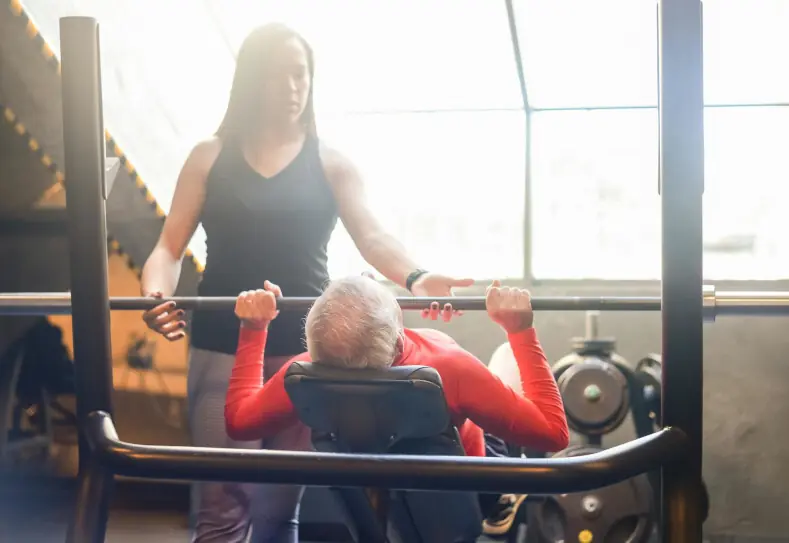
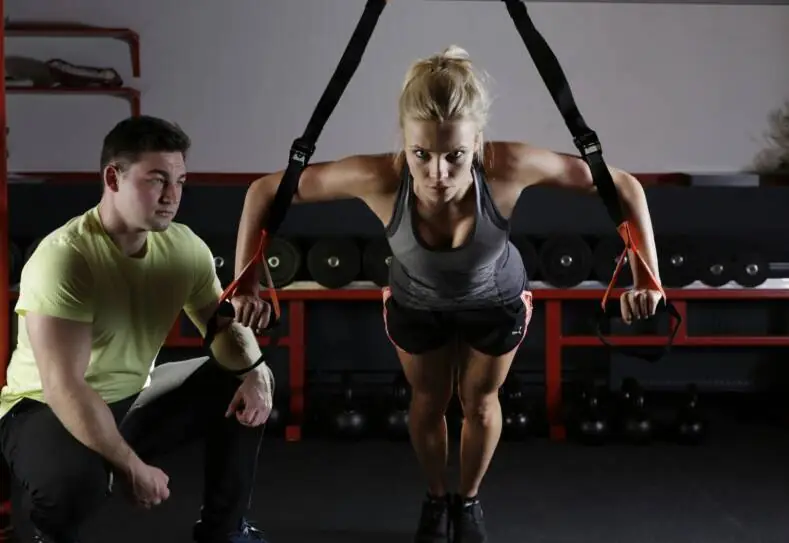
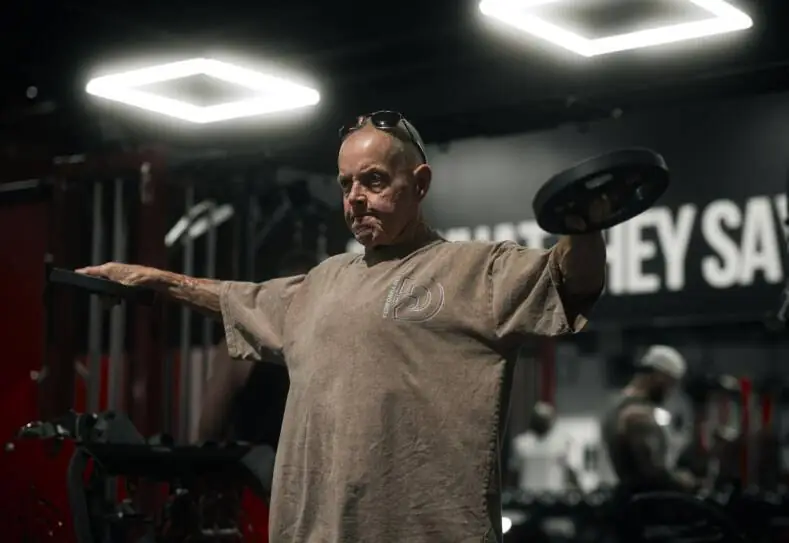
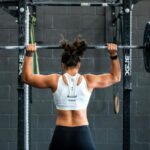
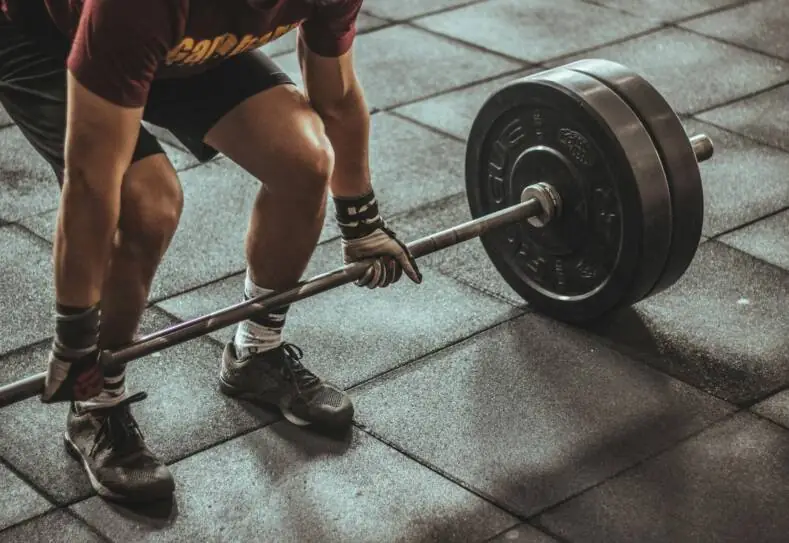
Engaging in bodybuilding at the age of 70 is not only feasible but also highly beneficial. It’s a common misconception that building muscle is a pursuit reserved for the young. However, seniors can successfully increase muscle mass and strength through a well-structured exercise regimen. As muscle mass naturally declines with age, incorporating weight training into a fitness routine becomes vital for maintaining overall health and well-being.
The approach to bodybuilding for seniors should prioritize safety and adaptation. Weight training for individuals over 70 should take into account the body’s changes and potential medical conditions. A combination of resistance exercises, adequate dietary protein intake, and a balance of cardiovascular workouts can lead to improvements in physical function and the maintenance of an active lifestyle. This holistic method ensures that muscle gain goes hand in hand with enhanced stability and mobility, contributing to an improved quality of life.
Understanding Bodybuilding at 70
As individuals reach the age of 70, they may encounter age-related muscle loss, known as sarcopenia. This natural decline in muscle mass and strength can affect their vitality and overall health. Despite this, older adults can still engage in bodybuilding to combat sarcopenia and promote longevity.
Key Considerations for Older Bodybuilders:
Gradual Progression: It is crucial for seniors to start with lighter weights and increase intensity gradually to avoid injuries.
Frequency of Workouts: Consistency is important; however, they should allow for ample recovery time between sessions.
Essential Components of a Senior Bodybuilding Regimen:
Strength Training: By incorporating weight-bearing exercises, seniors can improve muscle strength and counteract sarcopenia.
Flexibility Routines: Stretching exercises enhance flexibility, reduce the risk of injury, and support muscle recovery.
Balance Exercises: Important for preventing falls and maintaining coordination.
Nutrition for Muscle Maintenance:
Protein: A diet rich in high-quality protein supports muscle repair and growth.
Healthy Fats and Carbs: Fats like nuts, seeds, and olive oil, along with whole-grain carbohydrates, provide sustained energy.
Maintaining muscle mass through bodybuilding can enhance a senior’s quality of life significantly. However, older adults should consult with healthcare professionals before embarking on a new workout regimen to ensure that it aligns with their individual health status and fitness goals.
Starting with the Basics
Before embarking on a bodybuilding journey at 70, one needs to prioritize foundational elements such as proper warm-up routines, an understanding of resistance training, adherence to correct form, and the importance of setting achievable goals.
Warm-Up and Flexibility
A thorough warm-up should always precede resistance training to prepare the body for physical activity and reduce the risk of injury. Seniors are encouraged to spend at least 10 minutes on warm-up exercises, focusing on dynamic movements that enhance joint mobility and muscular flexibility. Incorporating stretches that target all major muscle groups can significantly improve one’s range of motion.
Resistance Training Fundamentals
For individuals 70 and older, resistance training should begin with light weights and a higher number of repetitions. The key is to integrate the principle of progressive resistance; one may start this journey with exercises like squats, deadlifts, and presses using manageable weights. They should aim for two to three days a week, allowing adequate recovery time between sessions.
Importance of Proper Form
Maintaining proper form during exercise is crucial. It ensures that one engages the appropriate muscle groups, minimizes the risk of injury, and maximizes the effectiveness of the workout. Beginners should work with trained professionals or utilize reputable fitness resources to learn the correct technique for each exercise.
Setting Realistic Goals
Setting realistic goals provides direction and motivation. Elderly individuals should measure progress in terms of strength gains, improvements in balance and coordination, and overall health benefits. Goals need to be specific, measurable, attainable, relevant, and time-bound (SMART), which aids in maintaining focus and tracking progress effectively.
Designing Your Workout Routine
When one reaches the age of 70, designing a workout routine requires a strategic approach that encompasses safe exercise selection, a balance between weight and repetitions, and the inclusion of cardiovascular training to ensure overall health and fitness.
Exercise Selection
Choosing the right exercises is pivotal for muscle growth and strength without risking injury. Strength training exercises should be the bedrock of the regimen, focusing on major muscle groups through compound movements such as squats, bench presses, or dumbbell rows. At this age, one must also emphasize low-impact exercises that maintain joint health. For instance, incorporating leg presses aided by machines can provide stability and reduce stress on the knees.
Muscle Group
Suggested Exercise
Equipment Required
Legs
Leg Press
Machine
Chest
Bench Press
Dumbbells/Barbell
Back
Dumbbell Row
Dumbbells
Balancing Weight and Repetitions
Progressive resistance training is integral for the continued development of muscle strength and size. Older adults should focus on a gradual increase in either the weight lifted or the number of repetitions over time. Starting with 50% of 10-repetition maximum for the first set, followed by 75% for the second and then 100% for the final set, ensures a warm-up phase and minimizes the risk of overexertion.
Example of Progression:
Week 1: 8 reps with 20 lbs
Week 2: 8 reps with 25 lbs
Week 3: 8 reps with 30 lbs
Incorporating Cardiovascular Training
Cardiovascular exercise should not be overlooked as it complements strength training by enhancing heart health and endurance. A balanced program may include low-impact activities such as walking or swimming, which are excellent for improving cardiovascular fitness while being gentle on the joints.
In conclusion, individuals over the age of 70 can effectively build muscle through carefully designed workout routines that consider exercise selection, the balance between weights and repetitions, and regular cardiovascular training.
Nutrition and Recovery
Proper nutrition and adequate recovery are essential for individuals over 70 who are engaged in bodybuilding. They provide the foundation for muscle repair, growth, and overall health.
Building a Healthy Diet
A healthy diet for seniors includes high-quality proteins, colorful fruits and vegetables, and a moderate amount of healthy fats. Each meal should be balanced, with protein taking a central role to help preserve muscle tissue. For optimal muscle maintenance, men should aim for around 56 grams of protein per day, while women should target about 46 grams.
Proteins: Chicken, fish, eggs, and plant-based options such as beans and lentils.
Fruits and Vegetables: A variety of colors to ensure a range of vitamins and minerals.
Healthy Fats: Sources like nuts, seeds, olive oil, and avocados provide energy and assist with vitamin absorption.
Understanding Supplements
Supplements can support a senior’s dietary nutrition, but they should never replace whole foods. Whey protein can be particularly helpful and consuming around 30 grams within 30 minutes of waking can aid in muscle preservation.
Protein Powders: For a convenient boost if dietary protein is insufficient.
Vitamins: Especially if there is a known deficiency or as advised by a healthcare provider.
Omega-3 Fatty Acids: Can supplement healthy fats in the diet and support joint health.
Recovery Time and Techniques
For seniors engaged in bodybuilding, recovery is as crucial as the workout itself. It’s vital to allow muscles to repair and to avoid overtaxing the joints.
Rest Days: Scheduled time off from training allows for muscle repair and growth.
Sleep: Quality sleep is a non-negotiable aspect of recovery, aiming for 7-9 hours per night.
Recovery Techniques: Low-impact activities like walking or swimming on rest days can promote blood flow without adding strain.
Equipment and Exercise Execution
Selecting the right equipment and performing exercises correctly is paramount for seniors embarking on a muscle-building journey. The focus is on minimizing injury risk while maximizing muscular gains.
Free Weights vs. Machines
Free weights, including dumbbells, offer a versatile range of motion, important for engaging stabilizing muscles and simulating real-life movements. They are excellent for compound movements such as the squat and bench press which target multiple muscle groups, ensuring a balanced development.
Machines, on the other hand, guide the user through a fixed movement path, which can reduce the strain on joints. They also allow individuals to focus on specific muscle groups and maintain a consistent form through the exercise.
Advantages of Free Weights:
Greater range of motion
Improvement in balance and coordination
Advantages of Machines:
Controlled movement reduces injury risk
Targeted muscle group training
Exercises for Joint Health
Exercises should also support joint health, crucial for individuals at the age of 70. Low-impact exercises and the use of resistance bands can improve muscle strength without placing undue stress on the joints.
Low-Impact Exercises:
Resistance band workouts
Bodyweight exercises like wall-sits and leg raises
Resistance bands are particularly beneficial for seniors, as they provide adjustable tension, can replicate most free weight exercises, and are gentle on joints. Incorporating resistance bands can contribute significantly to an overall resistance training regimen.
Overcoming Common Challenges
Building muscle at age 70 involves facing specific challenges head-on, such as adapting workouts to accommodate for physical limitations and managing personal expectations. Here are strategies to help navigate through these obstacles effectively.
Dealing with Injuries and Physical Limitations
Individuals must recognize that injuries and physical limitations are more likely as they age. They should stay vigilant about joint health, particularly if there is a presence of arthritis, and be aware that conditions like diabetes, heart disease, and high blood pressure may impact their training regimen. It’s crucial to:
Consult with a healthcare provider before starting any new exercise program.
Incorporate low-impact exercises to reduce stress on joints while still promoting muscle growth.
Make modifications to workout routines to accommodate any physical limitations, ensuring that pain is not a part of the routine.
Managing Expectations and Ego
As individuals age, they should manage their expectations realistically and keep their ego in check to prevent disappointment or injury. They should:
Understand and accept that building muscle will be a slower process compared to younger years.
Set achievable goals to maintain a sense of progression and accomplishment.
Staying Motivated
Staying motivated is often a challenge, but it is crucial for ongoing success in muscle building. To stay motivated, individuals should:
Celebrate small victories to foster a sense of achievement.
Join communities or groups that share the same fitness goals for social support and encouragement.
By addressing these challenges with practical solutions and a positive mindset, individuals can continue to pursue bodybuilding at 70 and beyond effectively and safely.
Advancing Your Bodybuilding Journey
Embarking on a bodybuilding journey at the age of 70 requires a strategic approach that involves progressive resistance, careful guidance, and an integrated lifestyle. This section explores the nuances of these vital components.
Progressive Overload and Advancement
Progressive overload is the gradual increase of stress placed upon the body during training. At 70, individuals should focus on increasing the resistance or repetitions of exercises in a controlled manner to continue building muscle effectively. It’s essential to keep meticulous records:
Set: The number of cycles of reps you do for an exercise.
Reps: Short for “repetitions,” or the number of times you perform an exercise.
Weight: The amount of weight you use for a particular exercise.
Example Table of Progressive Overload:
Week
Exercise
Set/Reps
Weight
1
Squat
3×8
20 lbs
2
Squat
3×9
20 lbs
3
Squat
3×10
20 lbs
4
Squat
3×8
25 lbs
The idea is to incrementally increase the demand on the musculoskeletal system, thus stimulating muscle growth and strength without causing injury.
Seeking Professional Guidance
A personal trainer can provide significant benefits by formulating individualized workout plans, conducting assessments, and ensuring the safety of their clients. When choosing a trainer, individuals should look for certifications and experience in working with the senior population. Moreover, diving into relevant research helps in understanding the science behind bodybuilding at this age, and allows one to apply proven techniques safely.
Community and Lifestyle Integration
Building muscle at an advanced age isn’t solely about the exercises; it’s a holistic approach that includes diet, rest, and community. Seniors are encouraged to find or build a community that shares their bodybuilding interests – this could be a local gym group or an online forum. Sharing experiences and knowledge can be incredibly motivating. In terms of lifestyle, integrating sufficient nutrient-rich foods and hydration, as well as rest and recovery for muscle repair, are just as critical as the workouts themselves.
Maintaining Long-Term Success
Building muscle at age 70 is a challenging yet achievable goal that relies heavily on adapting workouts to suit the body’s changing needs, sustaining muscle mass and strength, and supporting a more youthful appearance through appropriate lifestyle choices.
Adapting to Body Changes with Age
As individuals age, they must recognize that their bodies undergo significant changes, including reduced testosterone levels, slower metabolism, and a decrease in muscle elasticity. Research indicates that muscle power and performance start to decline after the age of about 30 to 35. Adapting to these changes necessitates a tailored exercise regimen that accommodates reduced joint mobility and increased recovery time. It is critical to include low-impact, flexibility-enhancing exercises with a focus on controlled, moderate weight training to accommodate the body’s evolving capabilities.
Sustaining Muscle Mass and Strength
To combat the natural decline of muscle mass and strength, known as sarcopenia, consistent resistance training is paramount. A combination of:
Weight Training: Include multiple sets in your routine, with progressive intensities like 50%, 75%, and up to 100% of your 10-repetition maximum.
High-Quality Protein Intake: Integrating ample amounts of dietary protein to support muscle repair and growth.
Regular Physical Activity: Consistent exercise that includes strength, endurance, and flexibility components.
Bolstering these efforts with a diet rich in colorful fruits, vegetables, and healthy fats (e.g., nuts, seeds, olive oil, avocado) will further aid in maintaining muscle mass and promoting overall longevity.
Promoting a Youthful Appearance
The physical appearance of youth is often associated with vitality and wellness. Engaging in regular muscle-building activities can help tighten and tone the body, giving a more youthful outward look. Research also suggests that strength and power training supports not only the preservation of muscle mass but also skin and connective tissue health. Incorporating strength training can indirectly influence a person’s appearance by improving posture, balance, and contributing to a more energetic demeanor. Additionally, managing hormone levels, particularly testosterone, through both natural and medically supervised methods, can play a crucial role in maintaining a youthful appearance and vigor.
Related Posts:
Body Building at 60 Engaging in bodybuilding after the age of 60 can be a transformative…
Strength Training Bone Density Strength training is a critical component of maintaining and improving bone health. When…
Body Building in Your 60s Many people think bodybuilding in your 60s is impossible, but research shows…