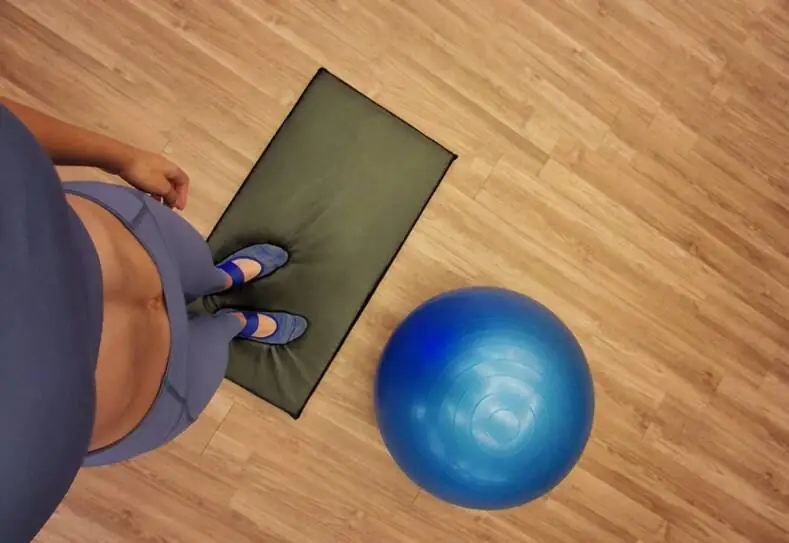
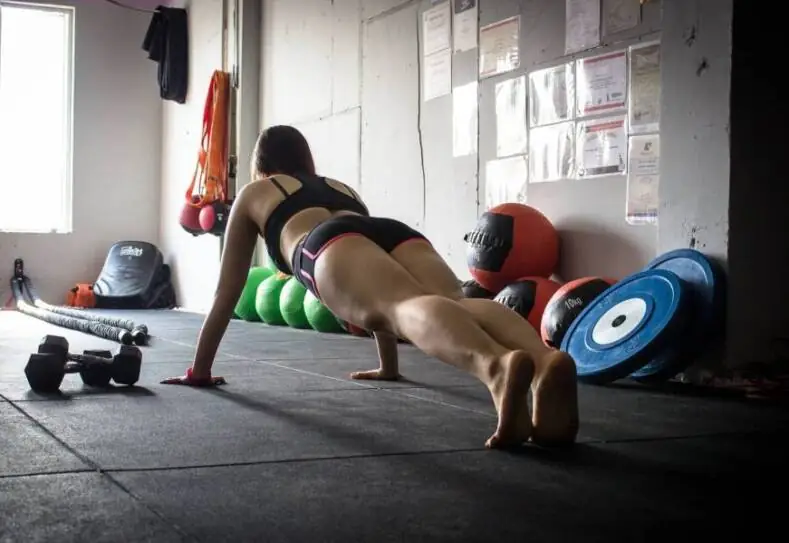
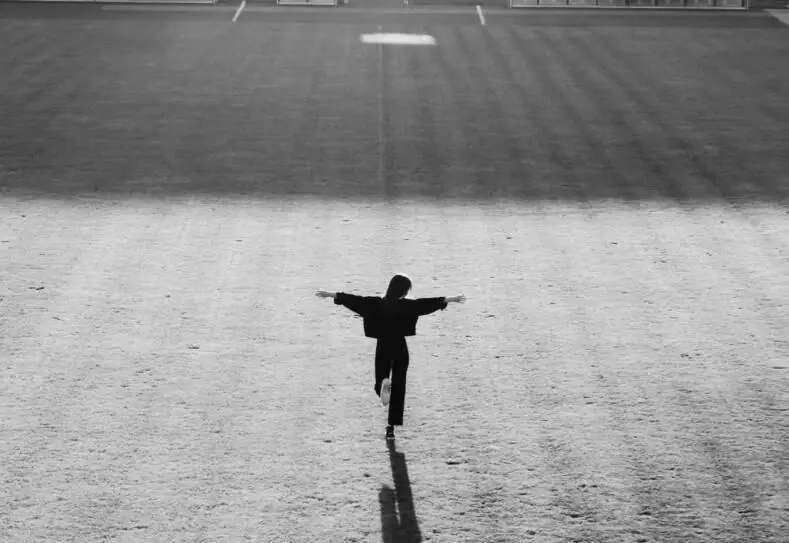
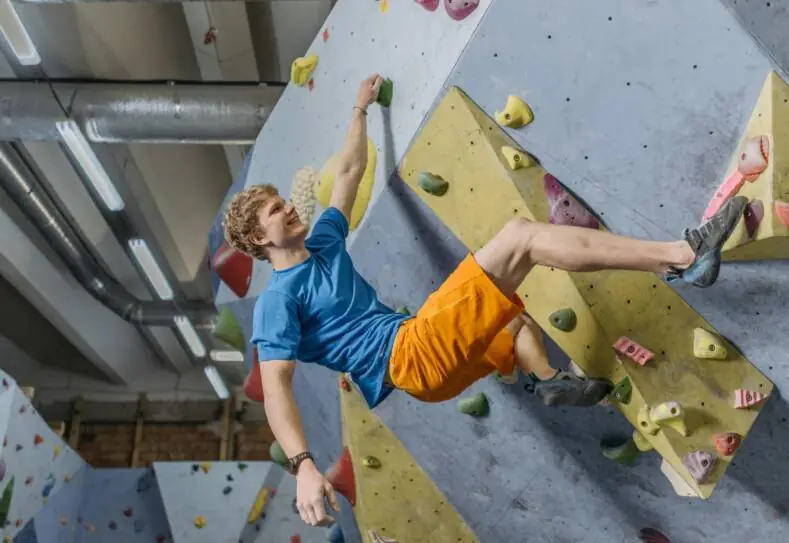
Improving balance is essential for overall fitness and can significantly enhance athletic performance and daily activities. From balance boards to BOSU balls, the right equipment can make a significant difference in your training regimen. One of the best tools to own for balance training is the BOSU (“Both Sides Up”), which offers versatile exercises that target different muscle groups.
Balance boards, like the Revbalance FIT 3-in-1 Exercise Board Training System, are an excellent choice for all fitness levels. They offer ways to adjust the difficulty, making them suitable for beginners and advanced users. These tools target core strength, stability, and coordination, essential for both athletes and casual exercisers.
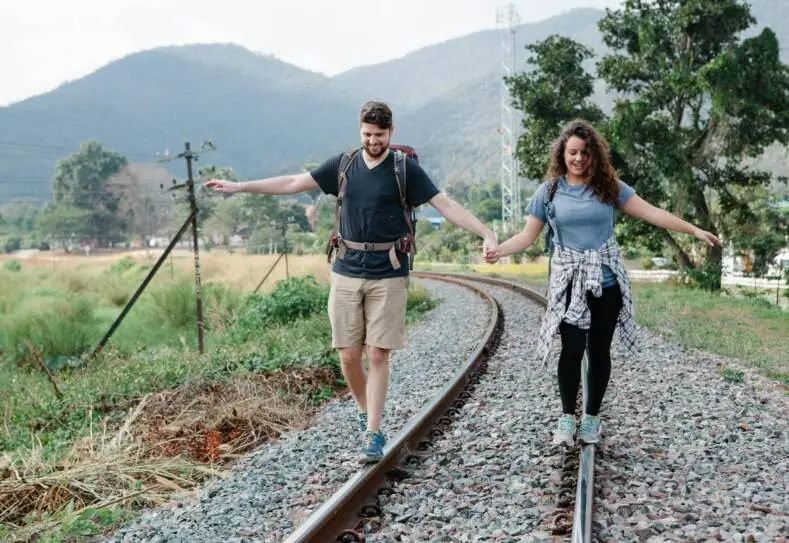
Slacklining provides a dynamic way to improve balance while enjoying the outdoors. This activity challenges your entire body and enhances your foot and ankle strength. Adding any of these tools to your workout routine can help boost your balance significantly.
Understanding Balance and Its Importance
Balance plays a crucial role in maintaining posture and ensuring smooth movement during various activities. It involves several body systems working together to keep the center of gravity over the base of support.
Components of Balance
Balance relies on the coordination of the visual, vestibular, somatosensory systems, and supporting muscle groups.
Visual system: Helps the body determine its position and movement relative to the surroundings.
Vestibular system: Located in the inner ear, it senses head motion and spatial orientation.
Somatosensory system: Uses receptors in muscles, joints, and skin to sense body position and movement.
Supporting muscles: Includes core muscles and lower extremities that provide the necessary stability and strength.
Each component has a unique role in maintaining balance and stability, ensuring an individual’s ability to perform everyday activities without falling.
Benefit of Balance Training
Balance training offers significant benefits, enhancing overall physical health and functionality.
Regular balance exercises strengthen the core and supporting muscles, leading to better posture and movement efficiency. By improving proprioception, individuals become more aware of their body position, reducing the risk of falls and injuries.
For athletes, enhanced balance leads to improved athletic performance and injury prevention.
Balance training is particularly beneficial for older adults, helping them maintain independence by preventing falls and improving stability. Activities like Tai Chi, yoga, and the use of equipment such as balance boards or trampolines can facilitate these improvements efficiently.
Balance training is a key part of physical wellness, promoting a stable and mobile lifestyle for people of all ages.
Foundational Exercises for Balance
Foundational exercises for balance form the cornerstone of effective balance training. These exercises focus on building core strength, stability, and control, using both static and dynamic approaches.
Static Balance Work
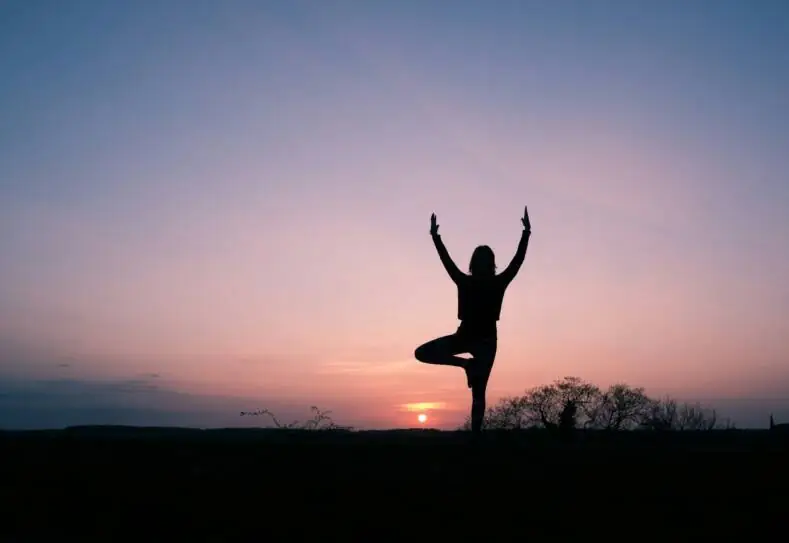
Static balance exercises emphasize holding positions without movement to improve muscle control and stability. One effective static balance exercise is the Tree Pose in yoga. To perform this, stand with feet together, spine tall, and arms outstretched. Raise your left foot to your calf and balance on your right foot. Hold for 30 seconds, then switch legs.
Another useful exercise is the Single-Leg Stand. Stand on one leg with the other leg bent at the knee. Engage the core to maintain a straight posture. Hold this position for 30 seconds per leg, gradually increasing time as balance improves.
Dynamic Balance Activities
Dynamic balance activities incorporate motion to challenge the body’s stability in various positions. Walking Heel-to-Toe is an excellent exercise for this. Walk in a straight line, placing the heel of one foot directly in front of the toes of the other, and maintain balance throughout the movement.
Lunges also serve as a dynamic balance exercise. Step forward into a lunge, keeping your back heel off the floor. Bend both knees and lower your back knee toward the floor, maintaining a straight spine. Alternate legs, performing 10 reps per side.
For a more dynamic challenge, perform the Bird Dog. Start on all fours with your core engaged. Simultaneously raise your right arm and left leg, keeping hips and shoulders parallel to the floor. Hold for a few seconds, then switch sides. This improves coordination and balance in motion.
Equipment to Improve Balance
Various tools can enhance balance effectively. This section highlights different types of balance boards and additional tools that can help you achieve better stability and coordination.
Understanding Different Types of Balance Boards
Balance boards are essential for improving overall stability. These include:
Balance Board: Typically a flat board placed on a cylindrical roller, perfect for enhancing coordination and core strength.
BOSU Ball: A half-sphere trainer used widely in gyms. It combines aspects of strength, flexibility, and balance by being used flat side up or down.
Wobble Boards: Feature a rounded base, providing 360-degree movement that challenges muscles and stabilizers, beneficial for ankle strength.
Each type offers unique benefits. Balance boards primarily engage the core, BOSU balls offer versatile training options, and wobble boards focus on joint stability.
Additional Tools for Balance Training
Several other tools complement balance boards:
Balance Pad: A cushioned, destabilizing mat that engages the foot and ankle muscles. It’s excellent for low-impact exercises and rehabilitation.
Vibration Plates: Utilize mechanical vibrations to stimulate muscle contractions, enhancing balance, coordination, and muscle strength. Models like Power Plate are popular.
Cushions and Discs: Inflatable devices placed under the feet to mimic unstable surfaces. When used barefoot, they particularly target foot and calf muscles.
Additionally, integrating tools like Slacklines can make balance training enjoyable while promoting outdoor activity. These diverse tools cater to different needs and training levels, offering versatile ways to improve balance.
Specialized Balance Training for Athletes
Specialized balance training is essential for athletes, significantly contributing to enhanced agility, speed, and injury prevention. By targeting specific muscle groups and coordination systems, athletes can achieve improvements in sports performance and rehabilitation outcomes.
Training for Agility and Speed
Balance training can lead to significant advancements in agility and speed. Tools such as balance boards and Bosu balls challenge an athlete’s stability, which improves coordination and reaction times.
Agility drills on unstable surfaces require quick adjustments, enhancing an athlete’s ability to change direction rapidly. Such exercises engage core muscles and lower body stabilizers, promoting better control and movements during competition.
Speed benefits from balance training as well. Exercises like single-leg balances and jumps on unstable platforms teach the body to maintain optimal form and power transfer, crucial for sprinting and rapid movements. Incorporating balance tools into agility drills ensures that athletes can maintain peak performance even on uneven or shifting surfaces.
Injury Prevention and Rehabilitation
Balance training plays a pivotal role in reducing the risk of injuries and aiding in recovery. By improving joint stability and muscle coordination, athletes are less likely to suffer from common sports injuries such as sprains and strains.
Rehabilitation programs frequently incorporate balance equipment like stability balls and balance pads. These tools are effective in gradually rebuilding strength and coordination without overloading injured areas.
Incorporating balance exercises specific to the sport helps in quicker and more effective recoveries. For example, soccer players might use wobble boards to regain ankle stability, while basketball players focus on knee stability. This targeted approach ensures that the physiological demands of each sport are met, promoting a safer and faster return to play.
Securing Balance in Aging Populations
With age, the risk of falls increases due to factors such as loss of muscle mass and decreased flexibility. Implementing tailored exercise routines can significantly improve balance and reduce the likelihood of falls among older adults.
Exercise Routines for Older Adults
Regular physical activity strengthens muscles and enhances coordination. Programs focusing on balance training should include exercises that improve muscle strength, flexibility, and proprioception.
Strength Training: Weight-bearing exercises, such as leg presses and squats, help maintain muscle mass and support joint stability. Resistance bands and free weights can be particularly effective.
Flexibility Exercises: Stretching routines, including hamstring and calf stretches, maintain and improve range of motion, reducing stiffness.
Proprioception Drills: Balance boards and foam pads are useful tools for enhancing proprioceptive abilities, which are crucial for maintaining stability and preventing falls.
Incorporating these exercises into daily routines can help older adults maintain their balance and reduce the incidence of falling.
The Science of Proprioception and Balance
Proprioception, the ability to sense the body’s position and movement, plays a critical role in maintaining balance. This complex process involves the integration of information from the vestibular system, inner ear health, vision, and touch.
Vestibular System and Inner Ear Health
The vestibular system in the inner ear is vital for balance control. It comprises the semicircular canals and otolith organs, which detect head movements and gravitational forces.
When the head moves, fluid in the semicircular canals shifts, stimulating hair cells and sending signals to the brain. The otolith organs sense linear acceleration and head position relative to gravity.
Issues with the inner ear, such as infections or vestibular disorders, can disrupt balance. Maintaining inner ear health is essential for preventing dizziness and balance problems.
Strategies to improve vestibular function include practicing balance exercises like standing on one foot and engaging in activities such as vestibular rehabilitation therapy.
Vision and Touch in Balance
The visual system is another critical component for balance. Vision provides essential information about the body’s position in space and helps coordinate movements. When visual cues are unclear, the brain relies more heavily on proprioceptive and vestibular inputs.
Touch or tactile feedback from the feet and other contact points with the ground also contributes to balance. Sensory receptors in the skin and joints send information about the body’s position to the brain, enhancing stability.
Combining visual and tactile feedback, exercises like focusing on a fixed point while balancing or walking barefoot on different surfaces can bolster balance and proprioception. These activities train the brain to integrate sensory information more effectively, improving overall body coordination.
How to Choose the Best Balance Equipment
Selecting the right balance equipment involves considering various criteria to meet individual needs and fitness goals. This guide helps identify what to look for and offers top picks to help improve balance and stability.
Criteria for Selecting Balance Trainers
When choosing balance trainers, consider stability, material, and versatility. Stability ensures the equipment is safe and suitable for all fitness levels. Materials such as wood, bamboo, and rubber offer different levels of durability and comfort.
Additionally, versatility is key. Equipment that provides multiple ways to increase or decrease difficulty can be more beneficial, like the Revbalance FIT 3-in-1 Exercise Board with adjustable elements.
Lastly, practical factors like cost and space required should align with personal circumstances.
Top Picks for Balance Training Equipment
Bosu Ball: Best for full-body workouts and dynamic balance training.
Yes4All Wooden Wobble Balance Board: A budget-friendly option made of durable wood, ideal for beginners and casual users.
URBNFit Wooden Balance Board Trainer: Perfect for sports training due to its robust construction and challenging design.
Revbalance Swell 2.0: Offers various difficulty settings, making it versatile for all fitness levels.
StrongTek Anti-Fatigue Balance Board: Best for those who use standing desks, providing comfort and balance simultaneously.
Each piece of equipment serves specific needs, ensuring users find a suitable match for their balance training regimen.
Incorporating Balance into Daily Life
Incorporating balance exercises into daily activities can enhance coordination, strengthen muscles, and improve overall stability and mobility. Simple, consistent practices can lead to significant improvements and promote greater independence in day-to-day living.
Practical Exercises for Everyday Stability
Integrating balance exercises into regular routines does not require special equipment. Single-leg stands can be easily performed while brushing teeth or waiting for the kettle to boil. Simply lift one foot off the ground and hold the position for 30 seconds, then switch legs.
Walking heel-to-toe in a straight line is another exercise that can be practiced during short walks around the house.
Activities like Tai Chi or yoga incorporate a variety of balance exercises. For instance, the Warrior III pose in yoga engages the core and leg muscles, improving stability. Practicing these movements regularly aids overall balance.
Creating a Balance-Focused Lifestyle
Adopting a balance-focused lifestyle involves incorporating activities that challenge stability throughout the day. Simple changes like:
Choosing stairs over elevators
Standing on one foot while waiting at bus stops
Balancing on cushiony surfaces while doing chores
Physiotherapists often recommend these actions to improve function and coordination. Lifestyle Integrated Functional Exercise (LiFE) programs emphasize embedding balance activities into daily routines, significantly reducing the risk of falls for older adults.
Prioritizing these tiny adjustments promotes mobility and independence, allowing for enhanced stability without the need for structured exercise sessions. Making these modifications practical and consistent helps in naturally improving balance over time.
Related Posts:
Balance Stretches Balance stretches are integral to maintaining and improving stability, an aspect of…