Balance exercises are essential for dancers to master in order to maintain the grace and precision required during performances. Achieving good balance not only enhances a dancer’s ability to execute movements with control but also contributes to injury prevention. Dance inherently involves complex, dynamic maneuvers that demand a high degree of stability. As such, incorporating balance-focused training is a key element in a dancer’s routine, allowing for improved technique and confidence on the dance floor.
While dance practice itself develops some of the necessary balance skills, targeted balance exercises can vastly improve a dancer’s stability and core strength. Such exercises are designed to challenge and engage the body’s stabilizing muscles, thus promoting steadier and more fluid movements. By regularly practicing balance exercises, dancers can see a noticeable improvement in their ability to hold poses, transition between movements smoothly, and perform turns and jumps with greater ease.
Fundamentals of Balance in Dance
Achieving balance in dance involves a synergy between proper posture, core strength, and foot as well as ankle stability. These components are foundational to executing dance movements with precision and grace.
Understanding Balance and Posture
The dancer’s posture is the cornerstone of balance. A well-aligned body where the head is centered over the spine, and the spine over the pelvis, creates the ideal vertical line necessary for balance. This positioning ensures that weight is distributed evenly throughout the body, allowing the dancer to maintain stability while performing static or dynamic movements.
Role of Core Strength in Stability
Core strength is crucial for a dancer’s balance and stability. A strong core aids in maintaining a stable center of gravity, which is vital for complex dance movements and turns. Engaging the core muscles supports the upper body and allows it to move independently of the lower body, which is particularly important in maintaining equilibrium during twists and bends.
Core-strengthening exercises include:
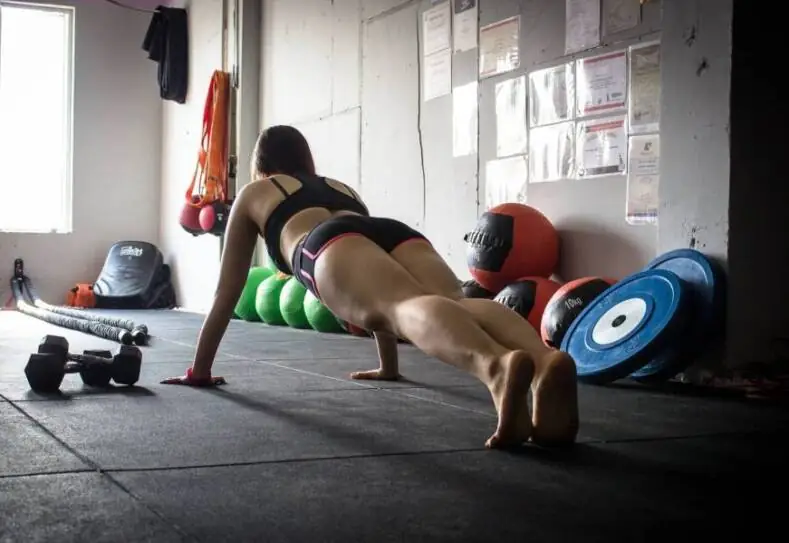
Planks
Crunches
Russian twists
Significance of Foot and Ankle Strength
The strength of a dancer’s feet and ankles cannot be overstated when it comes to balance. These lower extremity parts act as the primary contact points with the ground and as shock absorbers during jumps. Strong, flexible ankles and articulated feet enhance a dancer’s ability to perform with stability and prevent injuries.
To build foot and ankle strength:
Practice relevés and tendus
Perform foot stretches and exercises with resistance bands
Essential Balance Exercises for Dancers
Dancers require a fine-tuned sense of balance to execute their movements with control and strength. Through specific exercises, they can develop the stability needed for their performances. Here are targeted drills to enhance static and dynamic balance.
Static Balance Drails
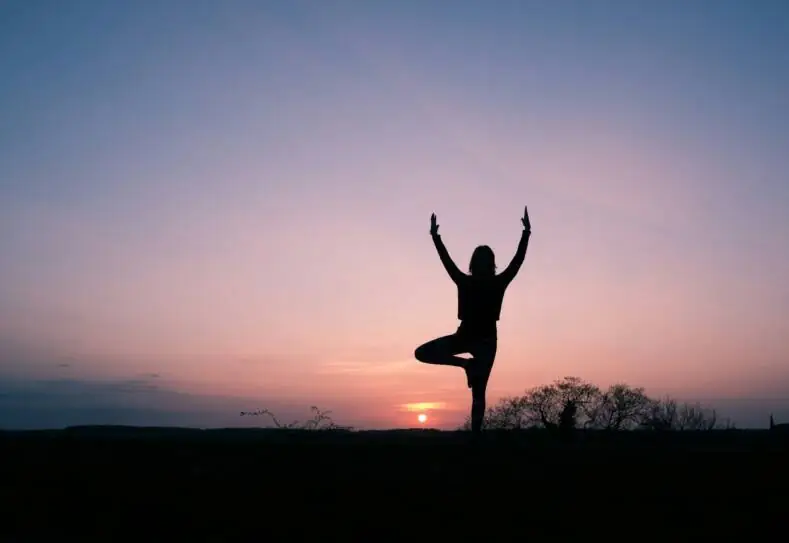
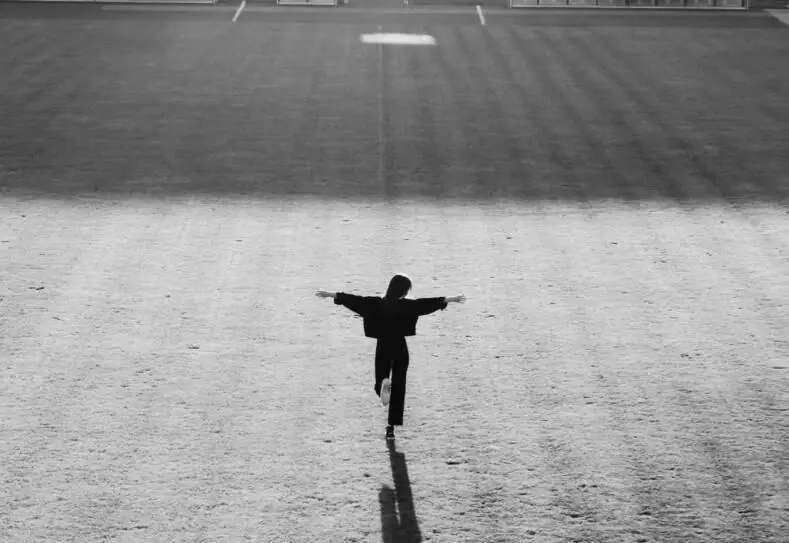
Static balance exercises build a dancer’s ability to maintain one position steadily. They start with the fundamental Single-Leg Stand, where the dancer balances on one leg, keeping the other lifted, to develop strength and focus. Progressing from there, incorporating the Tree Pose from yoga challenges the body further by requiring the foot to press against the standing leg’s inner thigh, helping dancers understand their center of gravity.
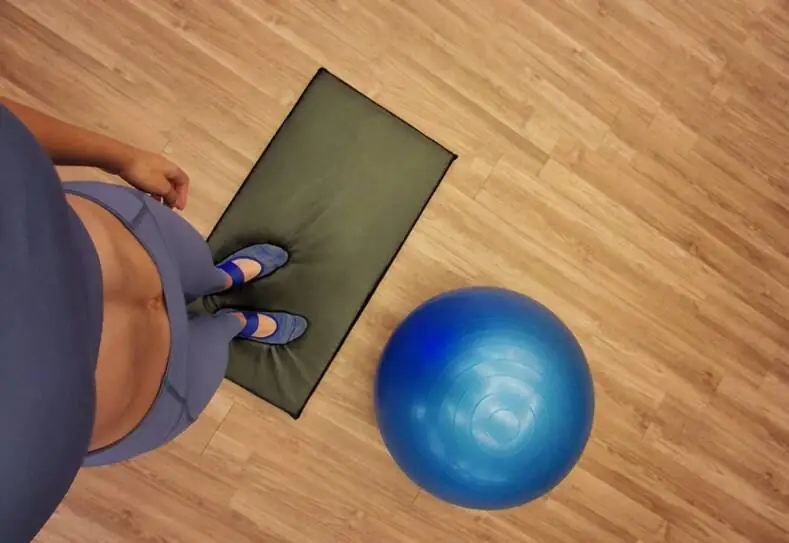
Balance on Balance Ball: Introducing a balance ball adds an unpredictable element, encouraging the dancers to engage their core for additional stability.
Eyes Closed Balance: Taking away the visual element with this drill forces dancers to rely on muscle memory and spatial awareness, a vital aspect of control.
Dynamic Balance Challenges
Dynamic exercises involve movement and transitions, closely mirroring the challenges dancers face during performances. The Rotating Skater’s Jump hones a dancer’s ability to jump from one foot to the other with precision while adding a rotational component.
Bosu Ball Squats and Lunges: Utilizing an unstable surface like a Bosu ball during common exercises such as squats and lunges tests and improves a dancer’s ability to adjust and maintain balance through movement transitions.
Single-Leg Balance with Movement: Asking a dancer to move the non-supporting leg or the upper body while balancing on one leg simulates the multitasking requirement of choreography.
This regiment of exercises promotes the mastery of one’s body needed for a dancer to move with elegance and assurance.
Strength Training to Enhance Balance
Strength training is essential for dancers to maintain and enhance balance. By focusing on full-body exercises and targeting key muscle groups, dancers can create a stable base that supports intricate dance movements and reduces the risk of injury.
Integrating Full-Body Exercises
Full-body exercises are critical in building a foundation for balance. These exercises engage multiple muscle groups simultaneously, leading to improved coordination and proprioception.
Planks: They engage the core, back muscles, and shoulders, fortifying the central support system.
Squats: They work the glutes, quads, and hamstrings, important for stable landings and lifts.
The integration of these exercises into a dancer’s routine can be crucial in building the overall strength necessary for maintaining balance during dynamic movements.
Targeting Key Muscle Groups
Focusing on specific muscle groups enhances a dancer’s ability to balance during complex movements. Key target areas include:
Core Muscles: The core is the powerhouse of the body, providing stability for all movements. Exercises like Russian twists and bicycle crunches can strengthen the obliques and deepen core engagement.
Glutes and Back Muscles: Strong glutes and a fortified back contribute to a dancer’s posture and balance. Bridge exercises and deadlifts are effective in targeting these areas, ensuring a stronger stance and improving overall balance.
By emphasizing these muscle groups, dancers can develop the strength required to execute challenging choreography with grace and precision.
Advanced Balance Techniques
In advanced ballet, dancers focus on precision in pointe work and fluidity in turns and spins, enhancing stability and control.
Pointe Work Precision
When a dancer progresses to pointe, it places significant demands on their ankles and feet, requiring a strong foundation. Precision on pointe relies heavily on developing robust ankle strength to execute techniques with grace and accuracy. Dancers often engage in exercises that emphasize ankle stability, such as relevés and échappés, which can be practiced both at the barre and center floor.
Relevé (rise): Perform three sets of ten repetitions, focusing on slow, controlled movements.
Begin in first position
Rise to pointe, hold for three counts
Lower with control
Échappé (escaping): Practice this movement in sets of eight repetitions to train the feet to move swiftly between positions while maintaining poise.
Start in fifth position on pointe
Jump to an open second position
Return to the tight fifth position with precision
Mastering Turns and Spins
Turning and spinning techniques in ballet require a combination of coordination, strength, and foundational technique. A stable core and proper alignment are essential for executing turns with finesse. For dancers to enhance their turning and spinning capabilities, incorporating exercises that promote balance and coordination is key. They often perform pirouettes and chainés turns to refine their skills.
Pirouette (whirl or spin): Practice single pirouettes before moving on to multiple rotations, ensuring each turn is initiated from a strong core and that the dancer spots effortlessly.
Start in fourth position with a proper plié
Engage abdominals
Use the arms to assist in gathering momentum while keeping them strong and poised
Chainés (chains of turns): Dancers develop the ability to perform multiple, rapid turns in succession by maintaining a tight, controlled position.
Start in first position with arms held out in a preparatory position
Turn swiftly on the balls of the feet, keeping the spine erect and head spotting
By integrating these advanced exercises into their routine, dancers can achieve greater balance and stability, enabling them to perform both pointe work and turns with confidence and elegance.
Proprioception and Sensory Feedback
Proprioception intricately involves the sense of position and movement within space, providing critical feedback to the brain for maintaining balance. Dancers harness this internal sensation, coordinating with visual and other sensory cues, to execute complex movements convincingly.
Improving Body Awareness
Body awareness, or the understanding of the body’s position and movement, stems from proprioceptive signals. This internal system communicates with the brain, allowing it to map out the body’s spatial orientation. A dancer improves proprioceptive acuity by focusing on precise movements that challenge the body’s balance. Exercises such as single-leg stands and blindfolded dance routines force the body to rely on proprioceptive feedback rather than visual cues, thus enhancing the overall awareness of their body in space.
Key exercises to improve proprioception in dancers:
Single-leg stands with eyes closed
Repeated releves on demi-pointe
Slow motion movements that emphasize control
Utilizing Visual and Sensory Cues
The visual system plays a vital role in balance, complementing proprioceptive input. While the eyes provide external feedback about one’s environment, it’s the synchronization with proprioceptive data that fully enables spatial navigation. The mind integrates visual and sensory information to help dancers maintain balance, especially as they adapt to varying choreography and performance environments. Therefore, training under different visual conditions—such as dim lighting or while focusing on various fixed points in the space — can fortify a dancer’s ability to utilize sensory cues effectively.
Strategies to enhance balance through sensory cues:
Focal point shifts while turning (spotting)
Practicing routines with varied lighting conditions
Incorporating vestibular exercises, like head tilts, during movement
By developing a keener sense of body awareness and efficiently using visual and sensory feedback, dancers can achieve a high level of balance and control in their performances.
Stretching and Flexibility for Better Control
Optimal flexibility enhances a dancer’s control over their movements. Techniques from yoga and Pilates, along with targeted flexibility drills using a TheraBand, can significantly affect a dancer’s stability and precision during performances. These practices not only improve motion range but also ensure that muscles work in harmony.
Incorporating Yoga and Pilates
Yoga and Pilates are disciplines that emphasize body awareness, alignment, and controlled movements. Yoga poses, such as Downward Dog and Warrior sequences, are excellent for enhancing flexibility in the hips, shoulders, and legs. They also aid in developing a deep connection to the physical form, allowing dancers to execute movements with greater clarity and intention.
Pilates exercises, particularly those focusing on the core, promote a strong and stable center. Movements like the Pilates Hundred work on both abdominal strength and respiratory control which are integral to maintaining balance.
Benefits of Yoga and Pilates:
Increased flexibility in hips, shoulders, and legs
Improved core strength for better stability
Enhanced breath control
Flexibility Drills with TheraBand
The use of a TheraBand is a practical approach to flexibility training, providing resistance that helps strengthen muscles while they stretch. Stretching the legs with a TheraBand can help dancers to safely develop the elasticity of their hamstrings, a key factor for extensions and leaps. Similarly, shoulder stretches with a TheraBand can reduce stiffness and increase the range of motion, necessary for fluid arm movements.
Example TheraBand Drills:
Leg Extensions: Secure the band under the foot and extend outward, focusing on controlled movements.
Shoulder Stretches: Hold the band in both hands and lift the arms above the head, then slowly pull them apart to feel the stretch in the shoulders.
By incorporating these techniques into their regular practice, dancers achieve a symphony of strength and suppleness, crucial for executing complex choreography with precision.
Injury Prevention and Balance Recovery
Injury prevention in dance is critical, focusing on ankle strength and stability to support a dancer’s balance and minimize the risk of injury. As dancers age, maintaining these physical attributes becomes ever more important to continue performing at a high level.
Strengthening Exercises
Ankle Strength:
Theraband Flexions: Dancers can sit with legs extended, wrapping a resistance band around the foot and gently pushing against the band in all directions—forward, backward, and sideways.
Heel Raises: Standing with feet hip-width apart, dancers elevate to their tiptoes and slowly lower back down, ensuring control and stability through the movement.
Balance and Stability:
Single-Leg Stance: Holding a single-leg balance, first with eyes open and then with eyes closed, enhances proprioceptive abilities.
Bosu Ball Squats: Performing squats on an unstable surface like a Bosu ball challenges stabilizing muscles in the ankles and legs.
Recovery and Support Techniques
Recovery Techniques:
R.I.C.E: Rest, ice, compression, and elevation remain standard immediate care strategies following minor injuries.
Physiotherapy: Professional guidance through targeted exercises can hasten recovery while maintaining muscle condition.
Support Strategies:
Ankle Braces: They can provide essential support for dancers experiencing instability or during the recovery process.
Appropriate Footwear: Shoes should provide suitable arch support, fit snugly, and be specific to the dancer’s style to prevent imbalance-related injuries.
Psychology of Balance in Dance
Achieving balance in dance requires a seamless blend of physical ability and mental discipline. A dancer’s mental focus and memory play crucial roles in choreography execution and maintaining equilibrium.
Mental Focus and Concentration
In dance, mental focus is paramount for preserving balance. When executing complex movements, a dancer must concentrate deeply to align their body accurately. This intense focus on the position of the body in space enhances the activation of the motor cortex and somatosensory cortex, parts of the brain associated with movement control and sensory feedback. Professional dancers often practice concentration techniques to remain poised during both rehearsal and performance.
The Role of Memory in Choreography
Memory is an integral part of learning and executing choreography. Dancers utilize both short-term and long-term memory to recall sequences of movement. This cognitive process involves the basal ganglia and cerebellum, which are key to movement regulation and precision. Repetition and rehearsal embed steps into muscle memory, allowing dancers to perform with apparent ease and fluidity, which is critical for maintaining balance even in the most intricate routines.
Dance Performance and Artistic Expression
Dance performance transcends mere physical movement, serving as a medium for dancers to express a spectrum of emotions. Artistic expression within choreography demands a synthesis of technique and feeling, where grace and stillness become as powerful as dynamic motion.
Conveying Emotion Through Stillness
In dance, stillness is not merely the absence of motion but a deliberate pause that can communicate profound emotions. A dancer utilizes stillness to allow the audience to absorb the intensity of the preceding movements and anticipate the next phrase of choreography. It’s a fleeting moment charged with meaning, serving as the visual equivalent of a rest in music—a space laden with potential energy and emotional depth.
Achieving Poise and Grace Under Pressure
Pressure mounts during a performance, yet dancers must embody poise and grace in the face of it. Grace is not inherent; it is the outcome of dedicated practice and precise control over one’s movements. A dancer’s ability to maintain composure while executing complex choreography speaks to their professionalism and mastery. Achieving grace under pressure is the invisible thread that weaves through a dance, holding the narrative and technical elements together seamlessly.