Home » 10 Opportunities for Fitness Activities in School
10 Opportunities for Fitness Activities in School
Schools play a vital role in helping children stay active and healthy. Regular physical activity during school hours helps students build strong bodies, improve focus, and develop lifelong healthy habits. Students who exercise regularly tend to perform better in class and experience less stress.
Schools offer many chances for students to get moving, from organized physical education classes to after-school sports teams, outdoor recess periods, and active classroom breaks. These activities give kids different ways to stay fit while having fun with their friends.
Studies show that active students have better attendance rates and higher test scores than less active peers. Regular movement throughout the school day helps children manage anxiety, build social skills, and maintain healthy body weight. The right mix of structured and unstructured physical activities lets students find ways to stay active that they truly enjoy.
The Role of Physical Education in Schools
Physical education plays a vital role in student health and development. Schools with strong PE programs help students meet the recommended 60 minutes of daily physical activity while teaching essential movement skills and fitness habits.
Curriculum Integration
Physical education classes teach fundamental movement skills through structured activities and games. Students learn proper techniques for running, jumping, throwing, and catching – skills they use in sports and everyday life.
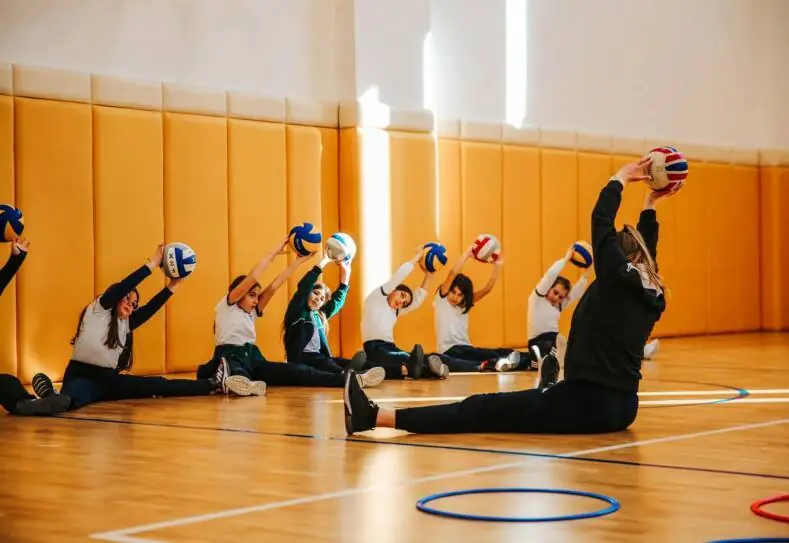
PE programs incorporate team sports like basketball, soccer, and volleyball to build coordination and teamwork. These activities help students develop social skills while staying active.
Teachers adapt activities to match different skill levels and abilities. This ensures every student can participate and improve at their own pace.
Students also learn about muscle groups, heart rate, and basic fitness concepts during PE class. This knowledge helps them exercise safely and effectively.
Promoting Lifelong Fitness
Regular PE classes help students build healthy habits that last into adulthood. When children exercise regularly at school, they’re more likely to stay active outside of class.
Students learn to enjoy movement through fun games and activities. This positive association with exercise makes them more likely to participate in sports teams and fitness activities.
PE teachers introduce students to many different types of exercise. From running to dancing to strength training, children discover activities they truly enjoy.
The skills learned in PE class give students confidence to join sports teams and recreation programs. This confidence often leads to lifelong participation in physical activities.
Daily Physical Activity Initiatives
Schools need multiple ways to get students moving throughout the day. Regular movement helps students stay focused, builds healthy habits, and supports both physical and mental well-being.
Recess and Playtime
Students need at least 20 minutes of unstructured play during recess each day. Free play gives kids a chance to run, jump, and be active in ways they choose.
Playground equipment like swings, climbing structures, and open spaces encourages natural movement. Having various sports equipment available – balls, jump ropes, and hula hoops – lets students try different activities.
Trained recess monitors can teach new games and ensure safe, inclusive play. They help students resolve conflicts and make sure everyone has chances to participate.
Active Brain Breaks
Teachers can lead quick 3-5 minute movement breaks between lessons. Simple exercises like stretching, marching in place, or desk-side jumping jacks help students refocus.
Popular Brain Break Activities:
Dance moves to music
Follow-the-leader movements
Standing stretches
Yoga poses
Simon Says with physical actions
These short bursts of activity improve blood flow and concentration. Students return to learning feeling refreshed and ready to focus.
Organized Sports and Games
Structured physical activities give students chances to learn new skills and work as teams. Schools can offer these during lunch periods or dedicated activity times.
Common Group Activities:
Soccer matches on the field
Basketball in the gym
Volleyball tournaments
Relay races
Group dance sessions
Teachers or coaches should rotate activities regularly to maintain interest. Having proper equipment and safe spaces makes these activities more successful.
Mixed-age groups let older students mentor younger ones in sports skills. This builds leadership abilities while keeping everyone active.
Extracurricular Opportunities
Schools provide many fitness activities outside regular class hours. These programs help students stay active, build friendships, and develop important physical skills.
After-School Sports Teams
Sports teams create chances for students to compete and stay fit. Teams practice 2-3 times per week and play games against other schools.
Common school sports include soccer, basketball, volleyball, and track. These activities build strength, speed, and coordination while teaching valuable teamwork skills.
Students learn to work together, communicate clearly, and support their teammates. Regular practice helps them improve their skills and boosts their confidence.
Fitness Clubs and Teams
School fitness clubs meet regularly to exercise and try new activities. Many clubs focus on specific goals like strength training or running.
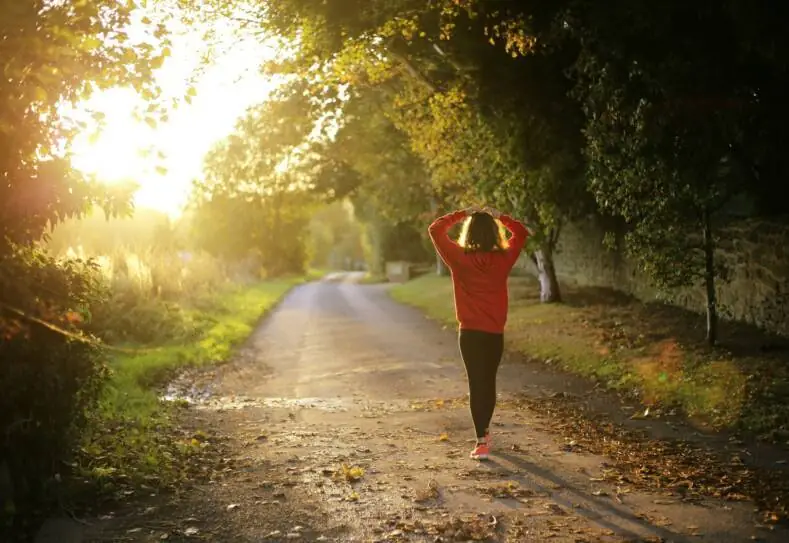
Students can join walking clubs that explore local trails and neighborhoods. Running clubs help members train for races and improve their endurance.
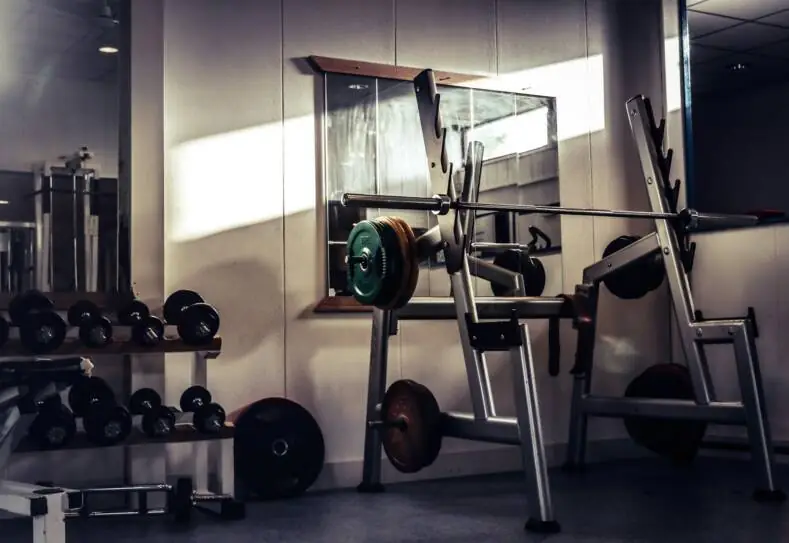
Weight training clubs teach proper form and safe exercise techniques. These groups often organize fitness challenges to keep members motivated.
Aquatic Activities
School pools offer swimming lessons and water safety training. Students learn different swimming strokes and build water confidence.
Swim teams compete in meets throughout the school year. Members practice diving, relay races, and various swimming techniques.
Water aerobics classes provide low-impact exercise options. These activities help students stay active while reducing stress on their joints.
Incorporating Fitness into Classroom Settings
Active learning spaces boost student engagement and academic success. Movement during lessons helps students stay focused while improving their physical health.
Physical Activity as a Learning Tool
Teachers can mix movement with academic content through simple activities. Students might hop while practicing multiplication tables or act out historical events through movement.
Popular Movement-Based Learning Activities:
Walking in patterns to learn geometry concepts
Dancing to memorize vocabulary words
Using yoga poses to explore science concepts
Acting out story elements through physical motion
These activities help students retain information better and stay alert during lessons. Research shows that moving while learning can improve test scores and memory.
Activity Breaks
Short movement breaks between lessons help students refocus and release extra energy. These breaks take just 3-5 minutes but make a big difference in classroom behavior.
Quick Break Ideas:
Simple stretching routines
Jumping jacks or marching in place
Brief dance sessions to upbeat music
Guided breathing exercises
Teachers can lead these breaks when students show signs of restlessness or decreased attention.
Collaborative Movement Projects
Group activities combine social skills with physical movement. Students work together while staying active.
Group Movement Activities:
Team-based movement games that reinforce lessons
Partner exercises during study sessions
Small group dance projects
Active learning stations around the classroom
These projects help students build relationships while getting exercise. The social aspect makes movement more fun and engaging for most children.
Movement-based group work fits naturally into many subjects. Students might create human shapes for math or move like molecules for science lessons.
Community Engagement and Support
Active communities create stronger school fitness programs through partnerships with families and local organizations. Students achieve better fitness outcomes when supported by people and groups beyond the school walls.
Family Involvement in School Fitness
Parents and siblings play a vital role in supporting student physical activity. Schools can create walking groups where parents take turns leading students to school on foot, promoting both exercise and safety.
Family fitness nights at school give parents and children chances to be active together. These events can include activities like dance classes, obstacle courses, or sports tournaments.
Schools benefit when families volunteer to coach after-school sports teams or help run recreational programs. This extra support allows more students to participate in organized physical activities.
Local Sports and Recreation Partnerships
Local sports clubs and recreation centers can provide specialized instruction and facilities that enhance school fitness programs. Community tennis clubs might offer free youth clinics, while martial arts studios can lead self-defense workshops.
Schools can arrange shared-use agreements to access community facilities like swimming pools and indoor courts. This expands opportunities for students to try different activities.
Youth sports leagues can coordinate with schools to schedule practices and games right after classes end. This timing makes it easier for students to join teams and stay active.
Parks and recreation departments often provide equipment and trained staff to support school-based physical activities. These resources help schools offer more diverse fitness options.